The Maryland Department of Health has declared a measles outbreak in St. Mary’s, Carroll and Cecil counties, health officials said Monday.
The health department said it is investigating 14 confirmed cases among unvaccinated Maryland residents and that most of the case contacts occurred within specific households.
“I do want to reinforce right now that there is currently no evidence of widespread community transmission in Maryland or in those counties, and most cases that we’ve seen have occurred among household contacts,” Dr. Meg Sullivan, deputy secretary for MDH, told News4.
Measles is considered highly contagious and can be spread through the air when an infected person breathes, sneezes or coughs. It can also cause serious health complications or even death, according to the Centers for Disease Control and Prevention.
So far this year, Maryland has recorded 31 measles cases as of Aug. 24, all among people who are not vaccinated, health officials said.
Twenty-seven of those cases were identified since July 15.
In 2025, Maryland only recorded three measles cases.
The uptick comes as the U.S. marks the highest number of cases nationwide in 35 years.
Preventing measles
Maryland health officials are encouraging residents to get vaccinated for measles, emphasizing if an unvaccinated person is exposed to measles, there is a 90% chance they will be infected.
To check if you are protected, you can request your vaccination record through MDH here or with your health provider.
You can also find information about vaccine clinics in your area here.
Most standard insurance will cover the MMR vaccine, which is used to prevent measles, according to the health department. But those who are uninsured can also access the vaccine through Maryland’s Vaccines for Children Program and the Maryland Vaccine Program.
“For those individuals that are up to date with their MMR vaccine, the risk remains low,” Sullivan said. “So I do think for parents and for families, what we want them to be aware of the information that we shared today, but also to stress that the most effective way to protect yourself is to be up to date with the MMR vaccine and that it is widely available.”
People who are at risk and have been exposed should watch out for symptoms for 21 days after the exposure. If symptoms appear, isolate immediately and then call your healthcare provider. If it is necessary to see the healthcare provider in person or go to the emergency room, call ahead of time so they can protect staff and other patients.
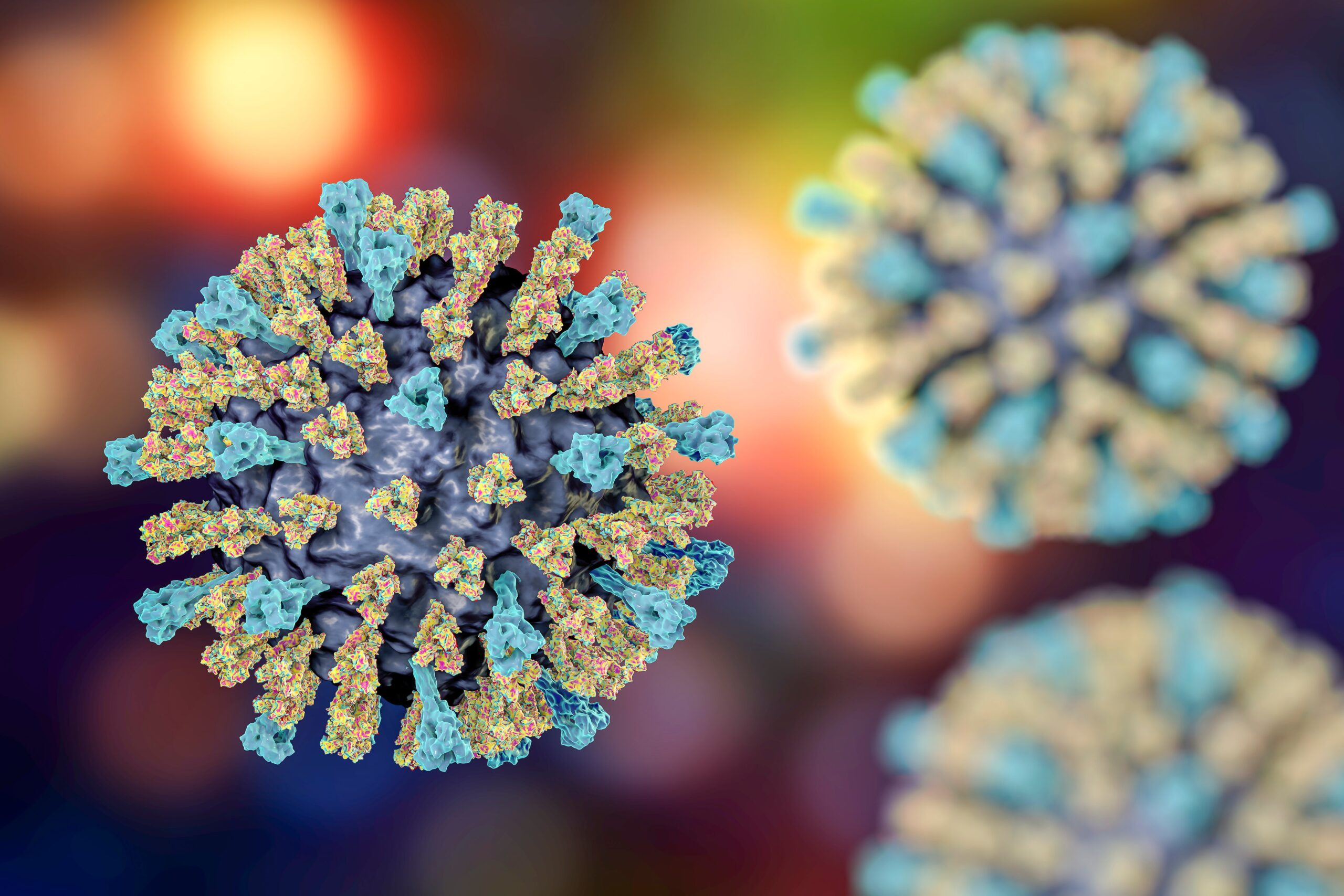
Measles is a highly contagious airborne disease caused by a virus that can lead to severe complications and death.
What are the symptoms?
Symptoms of measles develop over two stages.
The first stage typically begins seven to 14 days after exposure. Here are some common symptoms:
- Fever over 101 degrees
- Runny nose
- Red, watery eyes
- Cough
The second stage starts three to five days after the initial symptoms begin and is marked by a rash on the face, which then spreads to the rest of the body.
A person with measles is contagious from four days before this rash appears until four days after it appeared.