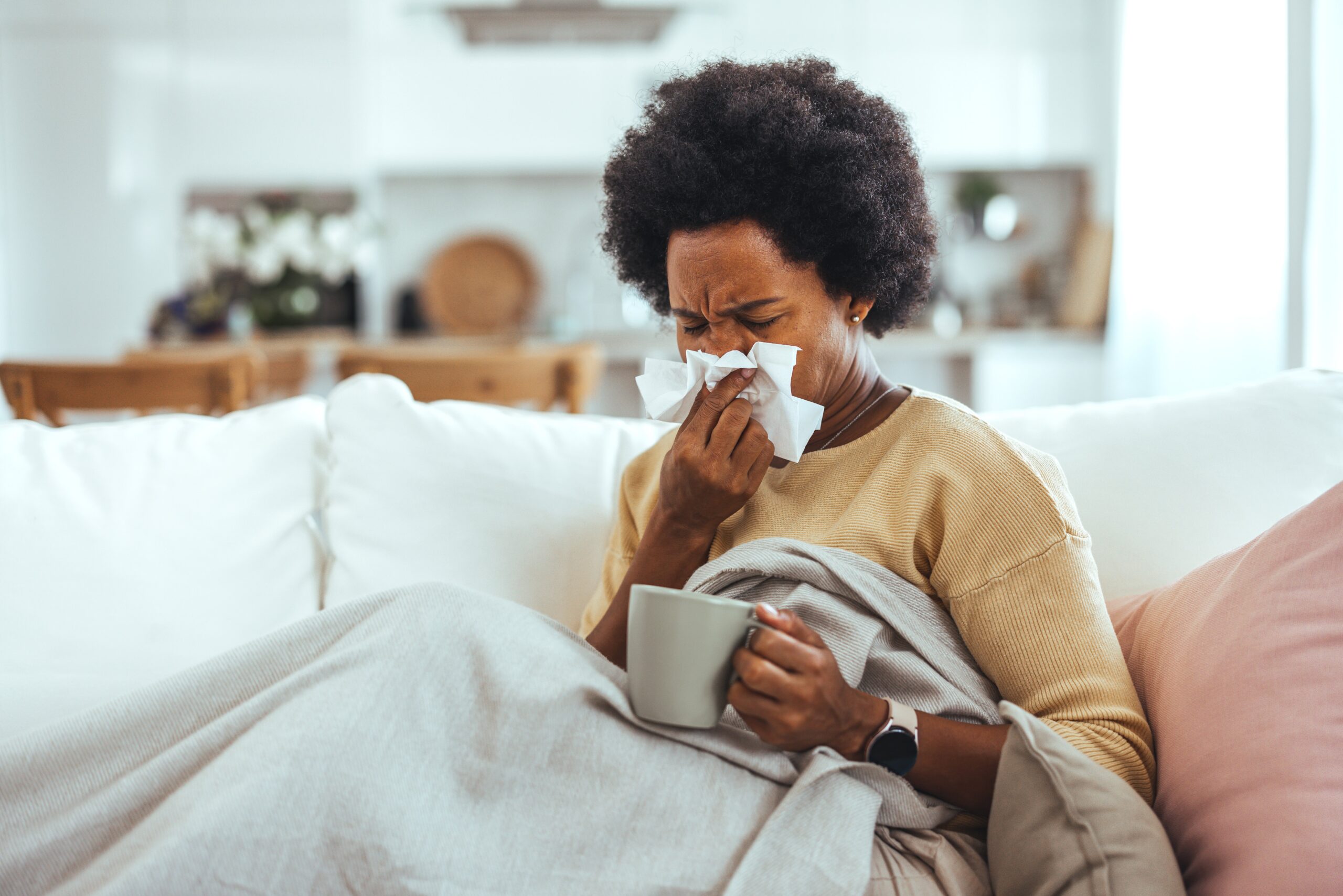
Summer isn’t officially over yet, but respiratory viruses are already beginning to ramp up across the United States.
Seasonal influenza activity is still low compared to COVID-19, but experts are already urging people to prepare for flu season.
Last winter, the country faced an unprecedented, severe flu epidemic fueled by the highly mutated H3N2 subclade K flu variant, dubbed the “super flu.”
It was one of the worst flu seasons in decades, and doctors’ visits for flu-like illness reached the highest levels seen in over 25 years, according to data from the U.S. Centers for Disease Control and Prevention.
Earlier this year, scientists updated the 2026-2027 flu shots to protect against the subclade K strain. As vaccines are rolled out, you may be wondering what to expect in the coming months.
In the U.S., flu activity typically peaks between December and February, per the CDC. But the timing and severity of flu seasons can vary from year to year.
Are there any signs that the flu virus could mutate again this fall? Could we be in for another severe flu season, and how can you protect yourself? TODAY.com spoke to experts to find out.
How bad will the 2026-2027 flu season be?
“The only thing that’s predictable about influenza is it’s unpredictable,” Dr. Daniel Jernigan, a former CDC director and a contributing scholar at the Johns Hopkins Bloomberg School of Public Health, tells TODAY.com.
It’s still too early to tell how the 2026-2027 flu season will unfold, but there are some early clues, experts say.
Predicting the severity of flu seasons is a delicate art, Dr. Albert Ko, professor of epidemiology at Yale School of Public Health, tells TODAY.com.
Scientists use a combination of forecasting models and look at trends in the Southern hemisphere, which experiences its winter and flu season earlier in the year. Australia is often viewed as a harbinger for what to expect stateside.
Australia’s 2026 flu season has been moderate so far, and much milder compared to last season — the country’s busiest and deadliest in decades, says Ko. Data shows cases are surging later than usual, but are nowhere near the peak in 2025.
“I wouldn’t sound the warning signs about what’s happening in Australia now,” says Ko.
However, flu activity in the Southern hemisphere isn’t always a reliable indicator, and sometimes the U.S. trends don’t follow. “It’s not linear,” Jernigan adds.
It’s also rare to see two severe flu seasons back-to-back, but that’s exactly what happened last winter. The 2024-2025 flu season was considered “high severity,” per the CDC, and it was followed by another record-breaking season last winter.
“I did not expect the big season last year because we just had a bad season. … It flummoxed most of us who follow flu closely,” Dr. William Schaffner, an infectious disease specialist and professor of medicine at Vanderbilt University Medical Center, tells TODAY.com.
While there are some early signs to suggest we’re in for a milder flu season, “always prepare for the worst,” Schaffner says.
Cold and flu season is on the way, and some of the leading U.S. medical groups are offering their own guidance on vaccinations.
Is there a new flu variant?
So far, there is no evidence that a new, mutated flu variant will drive cases this flu season, the experts say.
There are two main types of influenza that cause seasonal epidemics: influenza A (H3N2 and H1N1) and influenza B.
Last winter’s flu surge, as well as the Southern hemisphere’s 2026 flu season, was fueled largely by H3N2 subclade K. The highly contagious variant emerged early last year, and has seven mutations that caused it to “drift” from the H3N2 strain in the flu shot.
“We’re always worried about antigenic shifts, or changes in those viruses because that can set off larger and expected seasonal waves of of influenza,” says Ko.
So far, there’s no evidence that the flu virus has picked up significant mutations that set it apart from the strains circulating, including H3N2 subclade K, according to the experts.
But experts remain cautious because the influenza virus mutates constantly.
“The virus is in control … and until you actually go through it, you’re never 100% certain,” Dr. Ronald Nahass, president of the Infectious Disease Society of America, tells TODAY.com.
A significant portion of the U.S. population still has not been exposed to subclade K and may be at risk, Jernigan notes, adding “we’re (still) closely watching subclade K.”
Flu symptoms
The flu isn’t a mild cold. The symptoms are intense and start suddenly — what many experts describe as feeling like “being hit by a truck.”
The most common signs of flu infection include:
- Severe fatigue
- Fever
- Chills
- Body aches
- Runny or stuffy nose
- Sore throat
- Cough
Less commonly, the flu may cause diarrhea and vomiting, which is more common among children than adults, per the CDC.
Most healthy people will recover from flu on their own, but it can cause you to feel miserable for up to two weeks.
Adults over the age of 65, children under 5, pregnant women and immunocompromised people are at higher risk for severe disease or complications from the flu, says Schaffner.
However, the flu can become deadly for anyone.
If you develop severe flu symptoms or you’re in a high-risk group, contact your healthcare provider, says Schaffner.
It’s cold and flu season again, which means you could be left wondering which virus is causing your symptoms. Here’s what you need to know.
Flu tests and treatments
The only way to know if you have the flu is to get tested. The experts recommend stocking up on 3-in-1 rapid home tests for influenza A, influenza B and COVID-19 ahead of the fall.
If you test positive, there are treatment options available. Antiviral drugs help the body fight the flu virus, which can help lessen symptoms and shorten the duration of illness by a day or two, per the CDC.
Flu treatment is most important for people who develop severe symptoms or are in a high-risk group, the experts note.
Flu antivirals require a positive flu test and a prescription from a doctor, and work best when started within one to two days after you start feeling sick, the experts note.
Are the new flu shots available?
Vaccination is the most effective way to protect yourself from the flu, the experts emphasize. The influenza vaccine reduces the risk of severe disease, complications and death.
It’s not 100% effective. “You can get flu vaccine and still get the flu. That does not mean that the vaccine has failed. It’s designed to keep you out of the hospital, out of the intensive care unit, and out of the cemetery,” Schaffner adds.
The 2026-2027 flu vaccines are available and being rolled out at pharmacies, doctor’s offices and hospitals across the country.
The shots are trivalent, per the CDC, which means they protect against three viruses: influenza A H1N1 (pdm09), influenza A H3N2, and influenza B (Victoria lineage).
There are multiple vaccine options available this year. These include standard egg-based flu shots, high-dose shots, cell-based shots and a nasal mist.
Last month, the U.S. Food and Drug Administration approved a new mRNA flu vaccine from Moderna for adults ages 50 and older. The mRNA flu vaccine was shown to be about 27% more effective than standard flu shots in a trial, NBC News reported.
These are safe, and the mRNA technology is very promising, Nahass notes.
Although the mRNA shots are expected to be available this fall, supply will likely be limited, Schaffner notes.
“I encourage people to talk to their physicians about which vaccine they should get. There are lots of choices,” says Nahass.
2026-2027 flu shot guidelines
The CDC usually makes an official federal recommendation for flu vaccines every September. This guides providers, patients, and insurers.
However, the expert panel in charge of this decision, the Advisory Committee for Immunization Practices (ACIP), was sidelined earlier this year.
Instead, the CDC stated that its guidance from 2025 would remain in effect for the 2026-2027 season — which creates confusion, experts say.
In lieu of new guidelines, leading medical groups came together with the Vaccine Integrity Project to issue a joint vaccine recommendation ahead of respiratory virus season.
These include the American Academy of Pediatrics, American Academy of Family Medicine, American College of Obstetrics and Gynecology and the Infectious Disease Society of America.
“It’s our collaborative effort to fill the void by the CDC and the ACIP, which didn’t provide up-to-date guidance regarding respiratory vaccines,” says Nahass.
The groups strongly recommended that everyone ages 6 months and older (including pregnant women) get an annual flu vaccine, and people who are ages 65 or older or have weakened immune systems get a high-dose flu shot.
These guidelines were based on evidence published in JAMA showing the flu vaccine protects against severe disease and cuts the risk of hospitalization, especially for high-risk groups.
“Since the risks of the vaccine are so low and the benefits are so great, the medical community has come down strongly to recommend that folks get vaccinated,” says Nahass.
If you have questions, talk to your doctor.
When is the best time to get a flu shot?
The best time to get a flu shot is late September or October, experts say.
“We want the protection to extend throughout the winter, beyond February into March. That’s a pretty long reach, and so you don’t want to get the flu vaccine too early,” says Schaffner.
It takes about two weeks for the body to respond and the flu shot to take full effect, and this protection lasts around six months.
While it’s never “too late” to get a flu shot, the experts encourage people not to wait until flu activity is spiking. “It’s not as useful once we’re in the wave. You’re going to get most bang for the buck by getting the flu shot earlier,” says Ko.
Similarly, the experts urge parents to vaccinate their children before the flu is sweeping through schools.
“There are children who die each year of influenza. It’s a great tragedy. The vast majority of them are unvaccinated, but about half of the children who die are healthy,” says Schaffner.
How to protect against flu
If you’re concerned about the flu, your best bet is getting the flu shot. Vaccination is the most effective way to protect yourself, but you can take extra tried-and-true actions to fight the spread of respiratory viruses, Schaffner notes.
Here are some more tips going into flu season:
- Wear a well-fitted N95 or mask in crowded settings.
- Wash your hands frequently.
- Test if you have symptoms.
- Contact your healthcare provider if you get sick.
- Cover coughs and sneezes.
- Avoid contact with sick people.
“Listen to your doctors,” says Nahass.
This story first appeared on TODAY.com. More from TODAY: