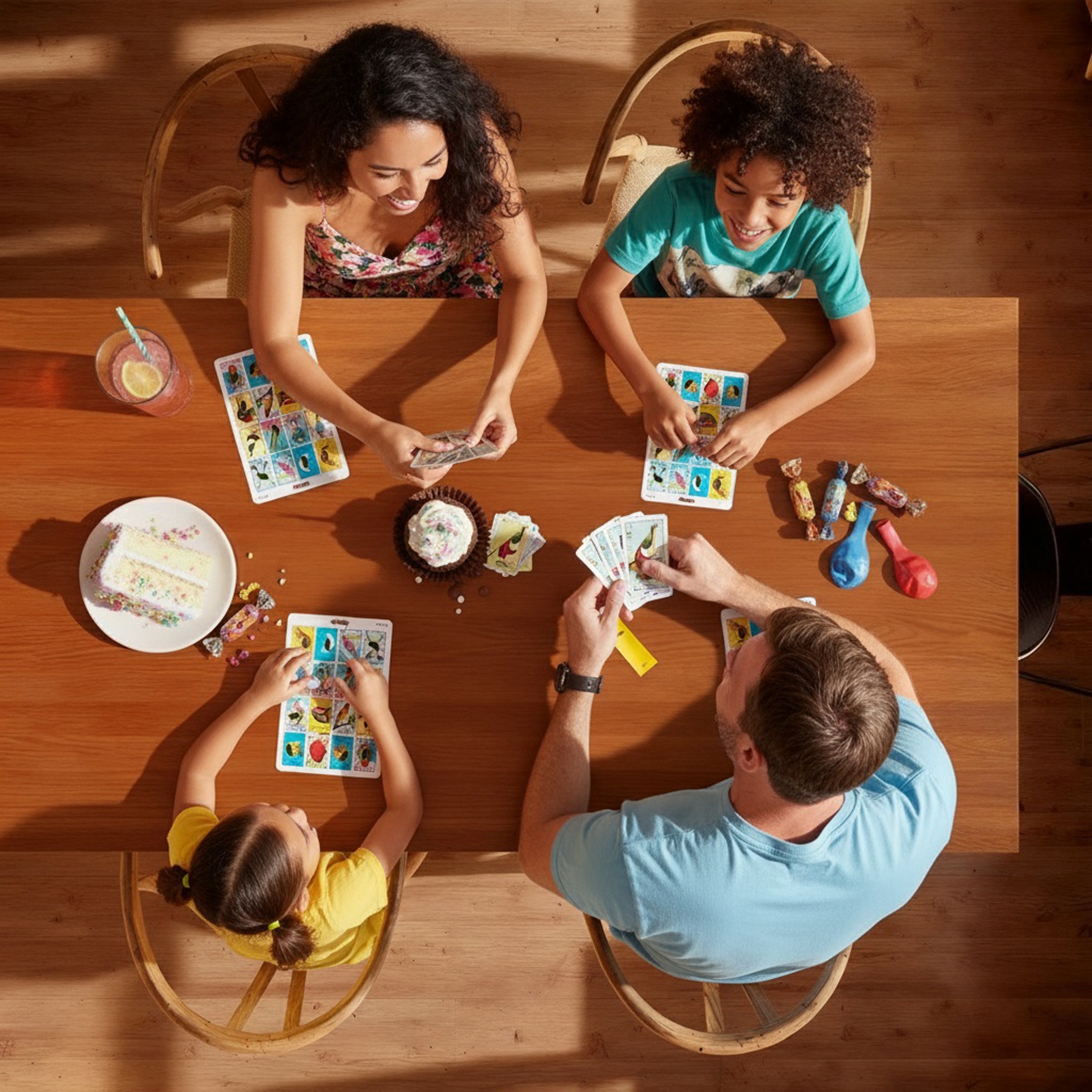
For generations, Lotería has been more than a game.
It has been a way for families to gather around the table, a source of childhood memories and a tradition passed from grandparents to grandchildren. During Hispanic Heritage Month, a new bilingual edition is inviting even more families to join in.
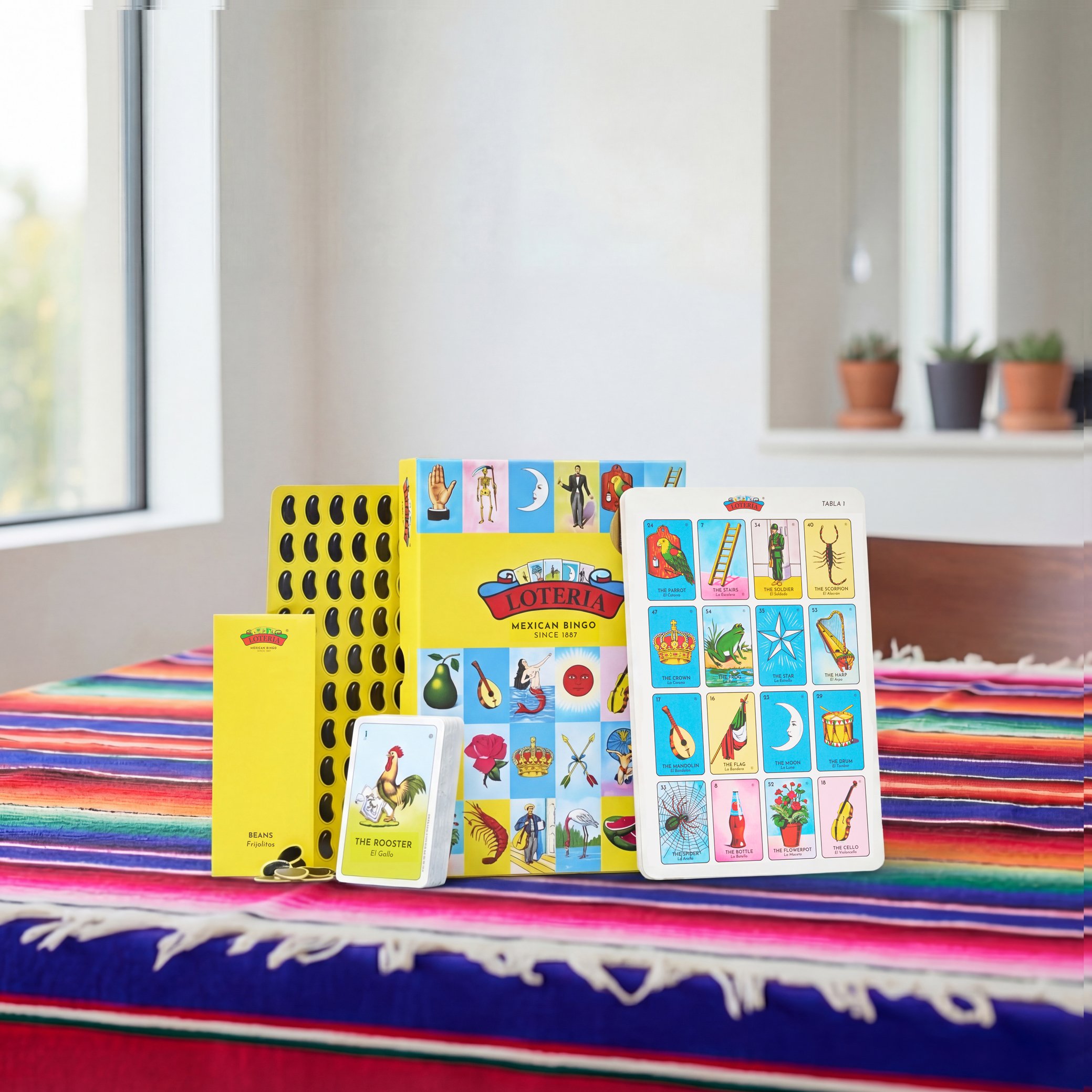
The official Lotería Bilingual Edition launched in March 2026, bringing the traditional game to new generations of players in both English and Spanish.
The edition was developed by DreamStar Studios, led by Geoffrey Gray, in collaboration with the Landín family, longtime stewards of the Lotería Don Clemente brand.
For Gray, who is from New York but now lives in Mexico with his family, Lotería became a personal way to bring his own family together.
“Lotería for me was … the most incredible way to get my family together,” Gray said in an interview. “It is something that brings us together after dinner, on a Saturday in pajamas.”
The bilingual edition is designed to make that experience more accessible to families who speak English, Spanish or both.
DreamStar Studios
A game that brings generations together
Lotería has long been part of family gatherings, schools, churches, fairs and celebrations. Luis Landín, whose family has been connected to the Don Clemente Lotería business for decades, said he frequently sees people in both Mexico and the United States associate the game with their grandparents and parents.
“It’s an integration of traditions and integration of family,” Landín said.
The bilingual edition aims to build on that tradition rather than replace the Spanish-language versions people already know.
Gray describes the goal as “growing the table,” bringing together people who might otherwise have different languages, ages or cultural backgrounds.
“Play is really the language,” Gray said. “Play is the fundamental language that we all share.”
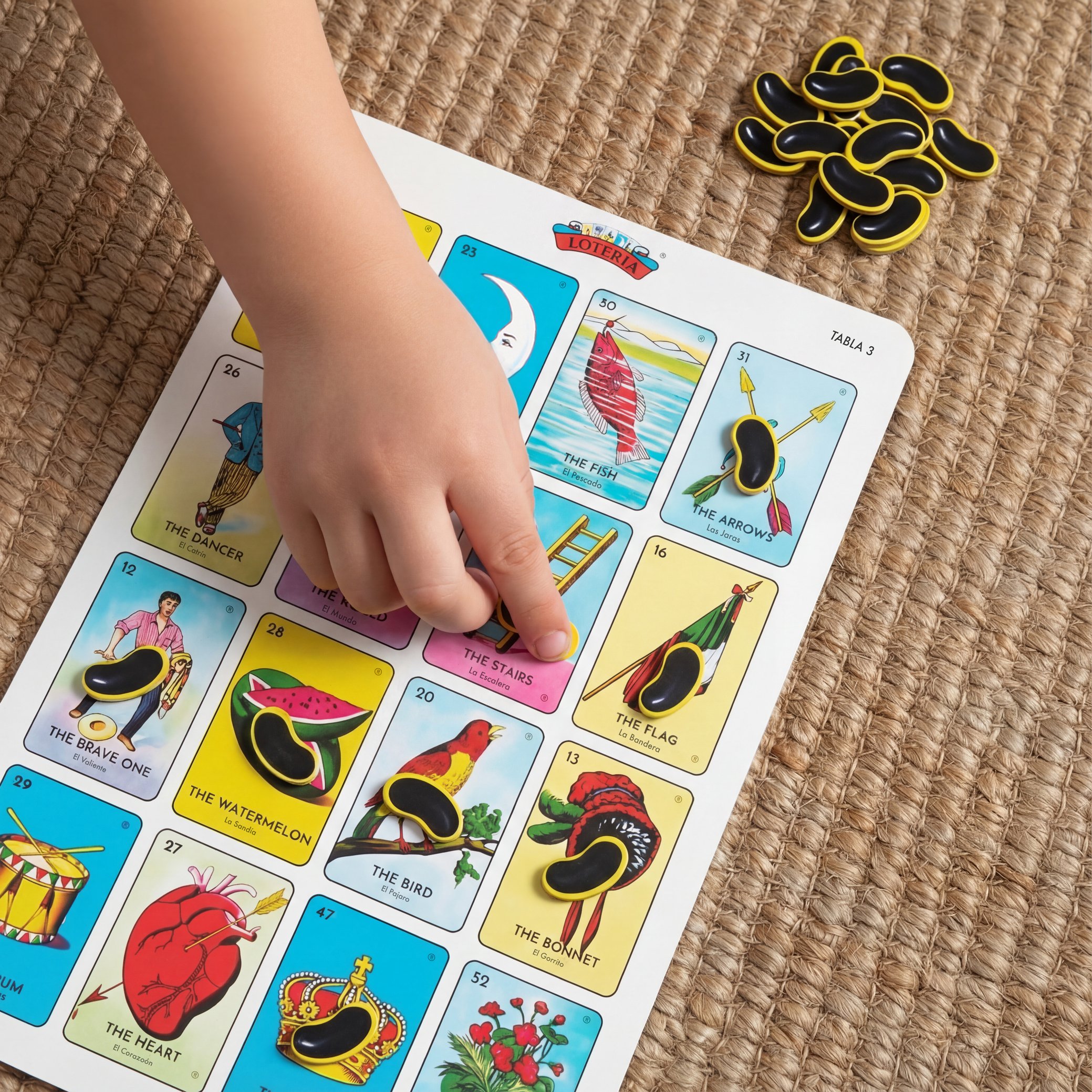
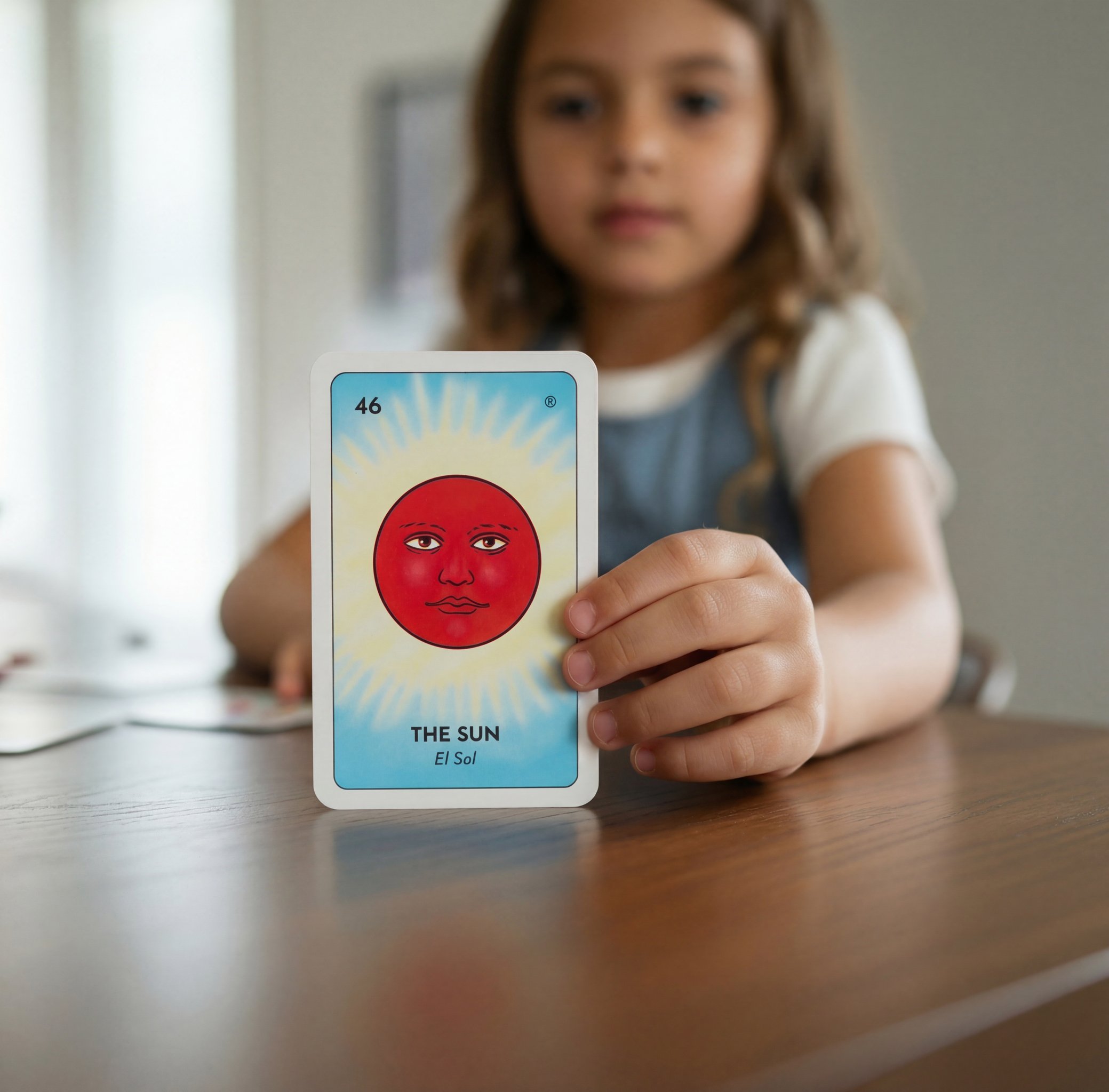
The new edition includes character names in English and Spanish, bilingual riddles on the backs of the cards and a bilingual guidebook with instructions, tips and strategies.
The game also includes frijol-shaped cardboard markers inspired by the beans traditionally used to play Lotería.
DreamStar Studios
Some familiar cards have changed
While the bilingual edition preserves the basic gameplay and recognizable imagery, several details have been updated.
El Borracho, for example, appears as El Tanto, or The Fool, while El Negrito has been changed to El Bailarín, or The Dancer. Blood was also removed from the knife depicted on El Valiente.
Gray said those changes were made as part of conversations about how to make the edition accessible to families and younger players while respecting the history of the game.
The decision to remove the blood from El Valiente was particularly intentional.
Gray said he and Landín discussed removing it so the card could emphasize courage rather than violence.
Landín noted that Lotería has evolved through many versions and licensed collaborations over the years, with different artwork and adaptations appearing on everything from clothing and bags to household products.
For the bilingual edition, the goal was to make small changes without losing the identity of the game.
DreamStar Studios
DreamStar Studios
More than a game
Part of Lotería’s appeal comes from the fact that different cards can evoke different memories for different players.
Landín’s favorite is La Sirena, or The Mermaid.
Gray’s is La Sandía, or The Watermelon.
For Gray, the image of the watermelon brings back memories of summer and family and makes him feel young again.
That emotional connection is part of what the creators say they hope to preserve as Lotería reaches new audiences.
The game can also serve as a bridge between generations and languages, particularly for families whose children may speak English more comfortably than Spanish.
Gray said he has already heard from people who remember feeling excluded from Spanish-speaking family gatherings because they did not speak the language.
The bilingual version, he said, can become a way into those family traditions.
A tradition with a future
Lotería will celebrate its 140th anniversary in 2027, and the creators say they are planning additional editions and experiences to mark the milestone.
Those plans include products at different price points, limited-edition cards and Lotería Live events designed to bring people together to play.
The bilingual edition is currently available at major retailers in the United States, including Walmart, as well as bookstores, specialty game stores and online retailers.
For Hispanic Heritage Month, the game offers a familiar reminder of how traditions can connect generations.
For Landín, that connection is personal. He said people can remember playing Lotería with their grandparents even several generations later.
And that may be the enduring magic of Lotería: The cards change, the players change and the languages around the table may change, but the reason for gathering remains the same.
“Culture stays alive when people keep playing,” is the philosophy behind the bilingual edition.
And around that table, someone can still shout the word heard for generations:
“¡Lotería!”