Key Iranian officials warned over the weekend of “seismic” retaliation against the country’s Middle East neighbors and the U.S. ahead of the Trump administration’s massive new economic sanctions push, expected early this week.
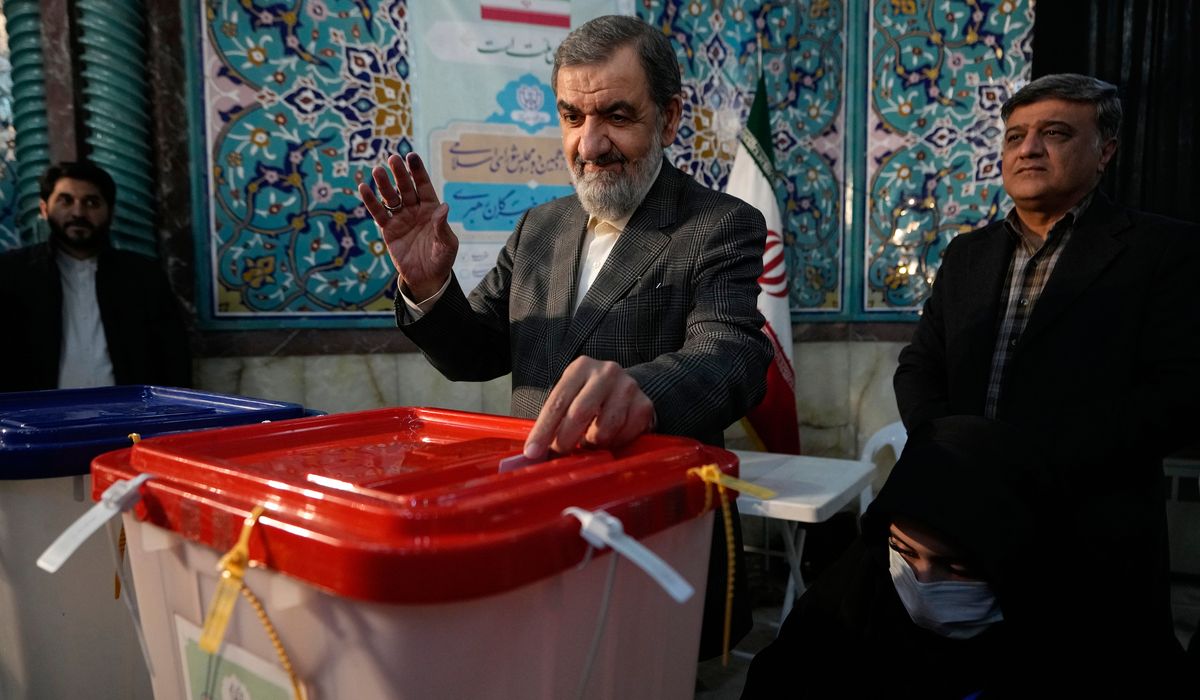
Mohsen Rezaei, the recently installed leader of Iran’s Supreme National Security Council, told Iranian state-run media that any nation joining Washington’s economic sanctions campaign against Tehran will be considered an enemy.
Mr. Rezaei, widely viewed as a hard-liner whose appointment signals a tougher Iranian stance against the U.S. and other Persian Gulf states, specifically warned that Tehran could target other oil-shipping routes out of the region.
Maritime traffic through the crucial Strait of Hormuz is already at a near-standstill as the U.S.-Iran war nears the six-month mark. The Trump administration appears set to use economic sanctions, not more direct military strikes, to pressure Iran into a deal that fully opens the strait to commercial ship traffic.
But Mr. Rezaei said that approach will bring new consequences.
“If [President Trump] wants to do something, we will retaliate in a seismic manner,” he told Iran’s IRIB state broadcaster in an interview that aired Saturday.
“Any country that takes part in imposing economic restrictions on us will be regarded as an enemy,” he said, according to English-language media accounts of his remarks.
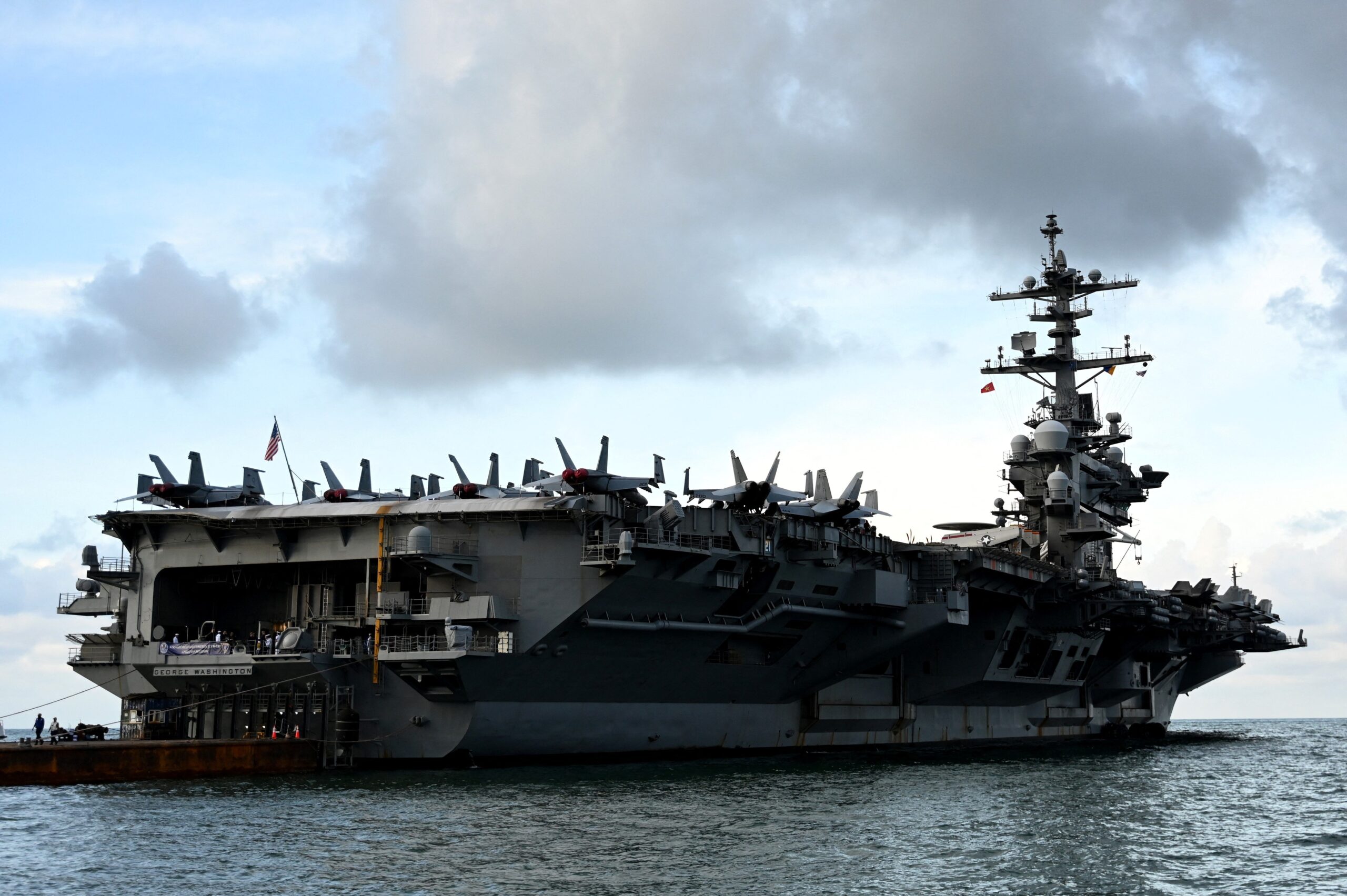
Iran is suffering greatly under the weight of a U.S. naval blockade and already harsh sanctions, aimed at economically isolating the Islamic regime.
Advertisement
Mr. Trump and Treasury Secretary Scott Bessent last week teased an upcoming round of sanctions dubbed “economic D-Day.” Those new restrictions, set to be announced as early as Monday, are likely to stand in for further military action by the U.S., Mr. Bessent said.
The blockade has reportedly had a massive impact on Iran’s oil economy, which has long stood as its economic lifeline even during periods of intense strain. Crude oil production in the country has fallen dramatically in recent months, now standing barely above what is required for domestic needs, according to oil-tracking firm Tanker Trackers.
Top leaders of the Iranian government acknowledge that the current situation cannot last. Iranian President Masoud Pezeshkian told state media Sunday that his nation must get out of the current economic stall.
“Capital and money are extremely sensitive to risk,” Mr. Pezeshkian said. “We have to remove this risk from the country.”
Mr. Pezeshkian’s comments underscore what seems to be a growing split inside the Iranian government about how to handle negotiations with the U.S., with some favoring diplomacy and others more willing to escalate militarily or otherwise lash out against America and its allies.
Advertisement
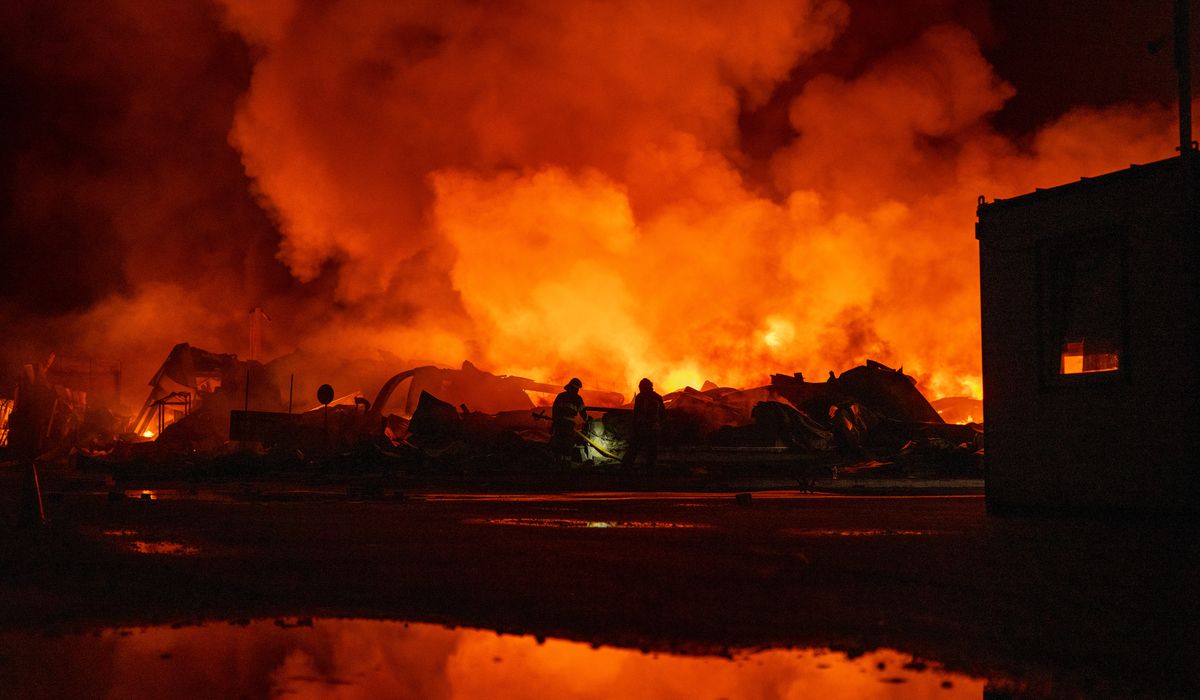
Should Iran choose to retaliate militarily, it could once again target U.S. military bases in the region. Previous attacks on those installations have led to American casualties and the destruction of U.S. military equipment.
Iran also could try to clamp down further on energy exports out of the Persian Gulf. In concert with proxy allies such as the Yemen-based Houthi rebels, Iran could try to choke other oil-shipping routes from the region, or perhaps aggressively target key pieces of energy infrastructure in Saudi Arabia or other oil-producing Middle East nations.
• Vaughn Cockayne contributed to this article, which is based in part on wire service reports.