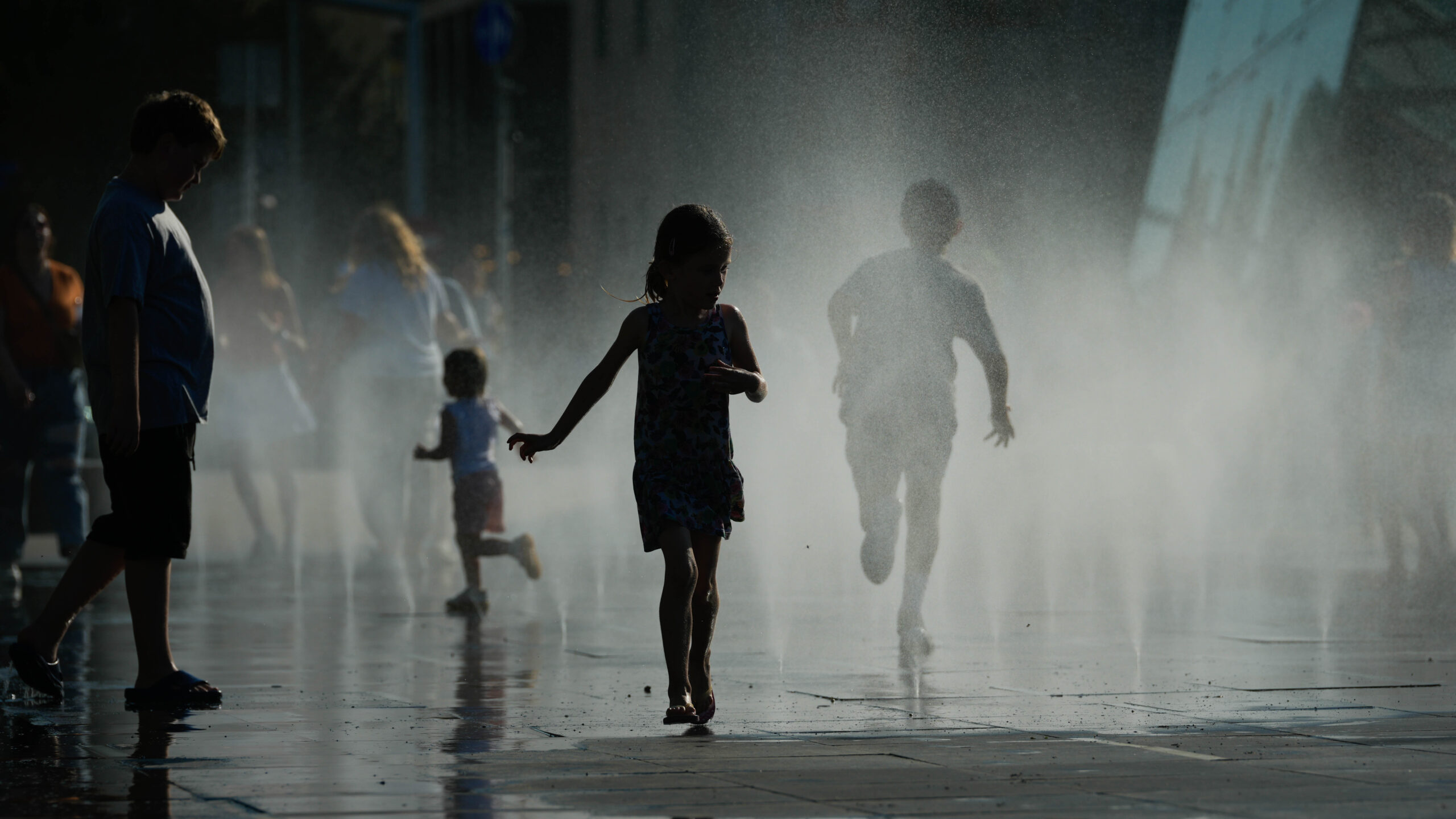
Infants, toddlers and young children need outdoor activity to build strong bodies and minds, but they also require extra care in the heat.
In the summer months, those twin imperatives can make parents anxious. How long should kids be out? How do I know they’re OK? What should I avoid?
Human-caused climate change is making heat waves longer, stronger and more widespread. Much of the U.S. sweltered last week under a heat dome.
That shift makes questions about keeping babies safe more pressing, said Dr. Katherine Williamson, a pediatrician with Rady Children’s Health in Orange, California.
“We talk about drowning and choking with toddlers, and now we’re starting to add in heat,” she said. “It’s become something that’s more commonplace as a potential injury.”
Here is why children are more vulnerable to heat-related illnesses, and some do’s and don’ts to keep them safe:
A heat dome is a weather phenomenon that can bring blazing temperatures across the United States. Here’s what you need to know.
Regulating body temperature is a challenge
Children sweat less than adults and have a higher metabolism that makes them hot faster. In extreme heat, their higher surface area-to-mass ratio increases heat absorption.
Kids also tend to spend more time outdoors.
On hot days, parents need to be vigilant about the signs of heat illness. A lack of tears or regular wet diapers could indicate your baby is dehydrated. Parents should feed infants in smaller quantities more frequently to make sure they are getting enough fluid.
Though not necessarily signs of illness, fatigue and flushed skin likely mean your child needs a break to cool off. Williamson said increased irritability could also indicate your child is too hot.
Tips for keeping them safe
Avoid going out during the hottest parts of the day, dress kids in loose, light-colored clothing, apply sunscreen and make sure they are getting enough fluids. Water-rich fruits such as watermelon and strawberries are great snacks in the heat.
“If you’re hot, your baby sure is going to be hot,” said Dr. Debra Langlois, a pediatrician at the University of Michigan Health C.S. Mott Children’s Hospital.
Langlois said parents and other caregivers should limit the amount of time infants and toddlers are outside in hot weather, but she doesn’t advise remaining strictly indoors at any point.
Most adults don’t know how much water they should drink in higher temperatures. Andie Lee Gonzalez, licensed registered dietitian and scientist at Abbott, shares what you need to know about staying hydrated during a heatwave.
Don’t put blankets or other covers on a stroller
That advice seems counterintuitive. After all, doesn’t it make sense to shield children from the sun?
But blankets and other coverings, even thin ones, prevent air from circulating and trap heat that can raise the temperature in the stroller. Instead, use a canopy for shade.
Williamson also advises parents to check metal parts that can heat up and burn children.
Don’t leave kids in the car
Even in the shade and with open windows, car temperatures can rise dramatically in a short amount of time. In 2025, 31 children died of heat stroke in vehicles, according to the National Highway Traffic Safety Administration.
The agency recommends caregivers leave a purse or other personal item in the back seat, write a note or place a stuffed animal on the passenger seat to ensure they don’t forget a child inside.
If you return to a parked car with your baby on a hot day, ensure the metal parts of the car seat are also not too hot. For extra comfort, use a sun shade to keep the interior cooler and turn on the air conditioning in advance.
To cool a hot car, experts recommend opening the windows for 10 to 20 seconds while running the air conditioning.