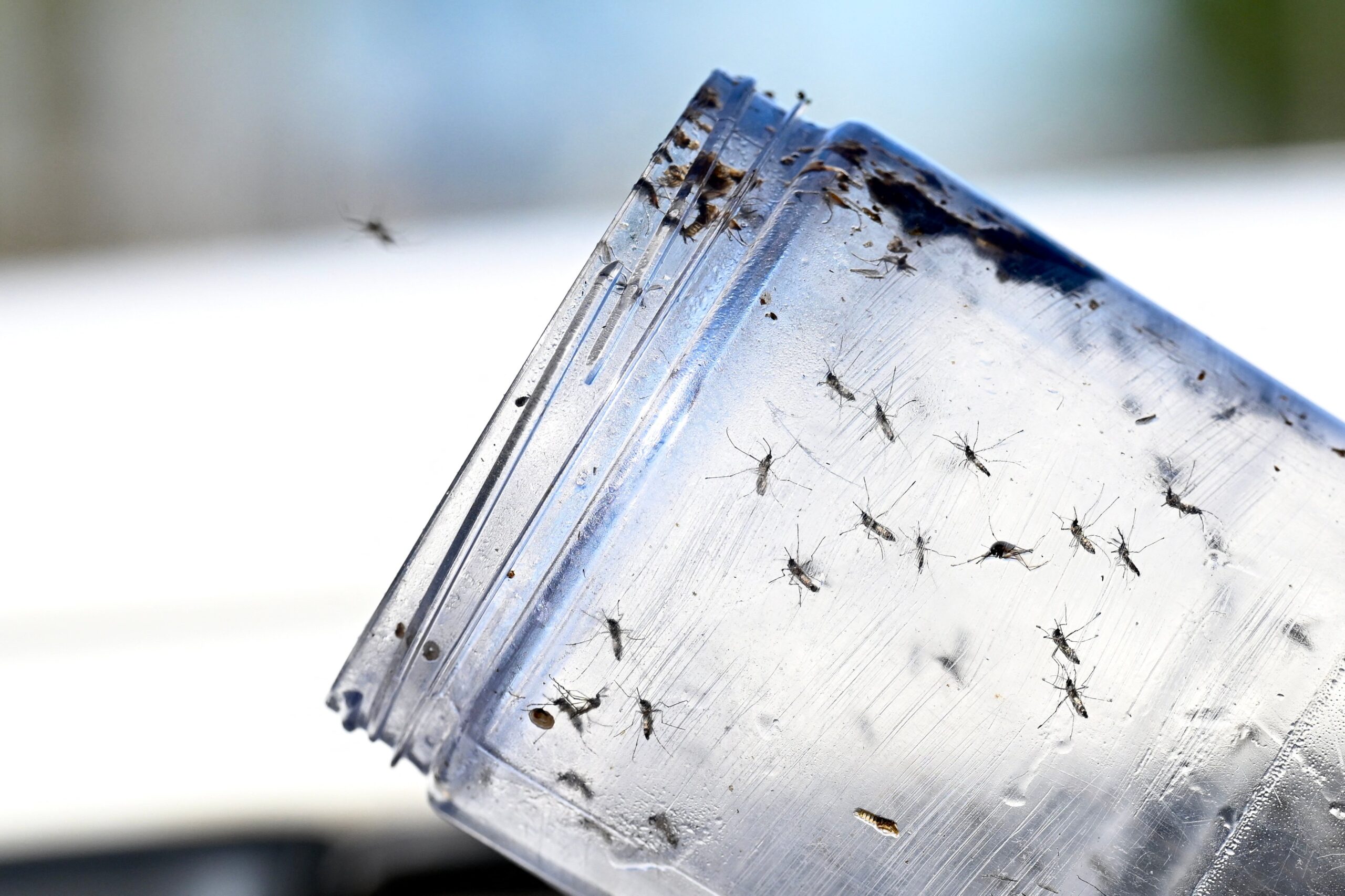
A Northern Virginia resident diagnosed with the dengue virus in the state’s first locally acquired case of the illness transmitted by mosquitoes, the Virginia Department of Health (VDH) said.
Most cases of dengue in the United States are linked to international travel to areas with high risk of dengue, which is spread by the bites of infected Aedes species mosquitoes.
The Virginia patient who came down with dengue hadn’t traveled but was in close contact with a person who caught dengue internationally a few weeks prior, State Health Commissioner Cameron Webb said in a letter to clinicians.
“Transmission of the virus likely occurred when a local mosquito bit the internationally acquired case while infectious and subsequently infected the second case,” the letter said.
There’s no evidence of continued transmission or other locally acquired dengue cases, according to VDH.
“The potential risk for acquiring dengue virus in Virginia remains low,” VDH said.
VDH said it’s investigating in collaboration with the Fairfax County and Loudoun County health departments, monitoring for additional cases and conducting surveillance of mosquitoes that can carry the virus.
The department didn’t give further information about the patient, their location or their condition.
What is dengue?
The potentially deadly illness is most common in tropical regions, including the Caribbean and parts of South America and Africa.
“Dengue can range from asymptomatic infection or mild illness to severe disease,” VDH said.
Symptoms usually start with a fever and can include severe headache, pain behind the eye, nausea and a rash. Symptoms can last two to seven days. Most people will recover in about a week, VDH said.
About 5% of people with dengue will develop severe illness. Symptoms include severe abdominal pain or persistent vomiting.
There’s no specific antiviral treatment for dengue, and people with severe symptoms should be treated in a hospital, the Centers for Disease Control and Prevention said.