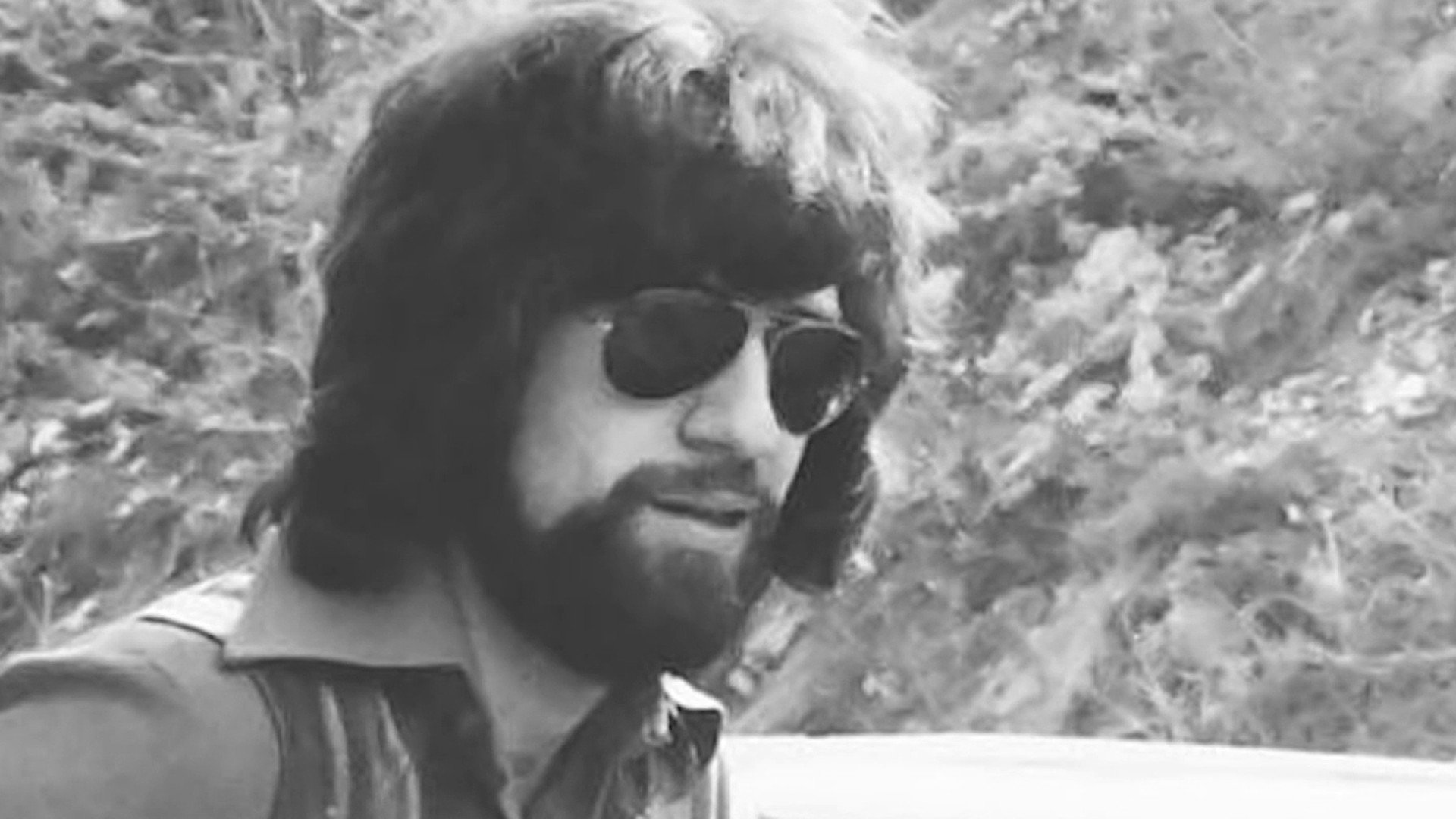
Barry Richards, a key figure in music in D.C. known as “the boss with the hot sauce,” has died at 83 years old.
Richards was a popular local radio and television personality in the 1960s and ‘70s before moving to Los Angeles.
A force in the music scene since he was a teenager, Richards also promoted concerts in the Washington area.
Over the years, he worked with superstars including:
- Mick Jagger
- Little Richard
- Jim Morrison
- Jimmy Page
- Richie Havens
- Deniece Williams
- The Who
- And Ozzy Osbourne and Black Sabbath
By the time he was in his 20s, Richards was a top DJ in the area, working at several rock stations before taking his show to television, where he brought major stars to the D.C. airwaves.
He told a story about pulling a gun on Ozzy when Black Sabbath refused to go on stage at one of the shows Richards promoted.
“So, wanted to leave, so I pulled a gun on him,” Richards said.
“I shot the thing in the ground, and he played,” he said.
One of the most infamous legends involving Richards was the focus of a 2013 documentary produced by Jeff Krulik titled “Led Zeppelin Played Here” about the British rock royalty playing the Wheaton Youth Center in 1969 before they were famous. Some believe it’s urban myth, but Richards insisted it happened, despite very few people showing up.
“He said, ‘You wanna do Led Zeppelin?’ I said, ‘Why not? Let’s go,’” Richards said. “They were gonna split the door with me. I got nothing to lose, OK. Unfortunately, it was Tuesday night and it was snowing or something, and it didn’t work.”
After leaving the D.C. area, Richards worked at stations across the country — shifting to disco and even hosting wrestling shows — before settling in L.A., where he continued to work in the music industry.
“He was always sort of in character, and you would feel the power of his, just his spirit and the sort of wildness that he had even in his old age that, you know, is sort of the spirit of rock ‘n’ roll,” said producer Eliot Kissileff, who helped Richards archive his catalogue of radio and TV shows. “And you know, he kind of epitomized that, but he turned it into a business. And he was able to maintain that business through his sons, who are legendary in their own right for what they’ve done in their respective musical contributions.”
“So, he really has a huge legacy, and I’m really honored that I got to be part of preserving it.”
On social media, Richards’ family said he died of a stroke at 83, his son Gary writing, “He lived one of the greatest lives ever.”