Most people associate omega-3 fatty acids with fish, so it may be a surprise that these heart-healthy fats can be found in some fruits, although in tiny amounts — with one exception.
“You can get omega-3s from plants, but they’re a different type than in fish,” says registered dietitian Natalie Rizzo, nutrition editor for TODAY.
There are three main kinds of omega-3 fatty acids: alpha-linolenic acid (ALA), eicosapentaenoic acid (EPA), and docosahexaenoic acid (DHA). You can get all three through the diet.
Plant foods like walnuts and flaxseeds contain ALA, while fatty fish provide EPA and DHA.
The body can convert some ALA into the other two types, though in a limited way, Rizzo notes.
“That doesn’t mean plant sources aren’t valuable,” she says. “But they’re not completely interchangeable with fish.”
EPA and DHA have stronger evidence for brain, eye and cardiovascular health because they’re the forms of omega-3s the body uses directly, Rizzo explains.
But research shows diets rich in ALA are associated with improved heart health, including lower risk of cardiovascular disease, Rizzo explains. Plus, ALA supports healthy cell membranes and has anti-inflammatory properties.
Vegans and other people who don’t eat seafood may consider an algae-based EPA/DHA supplement.
Rizzo’s favorite plant-based sources of omega-3s include walnuts, ground flaxseed, chia seeds and hemp seeds.
Most whole fruits contain very small amounts of these essential fatty acids. But since Americans eat an “abysmally low” amount of omega-3s in general, according to the American Heart Association, these fruits can contribute to the recommended daily amount of 1.1 grams for women and 1.6 grams for men:
Walnuts
- 1 ounce of walnuts, 2.5 grams of ALA
Walnuts are unique since they’re botanically classified as fruits, though they’re nutritionally considered to be tree nuts because that’s how people eat them, Rizzo says.
“They’re one of the richest food sources of ALA,” she notes. The dietitian likes to eat walnuts as a snack or chopped into yogurt.
“Substantial evidence” suggests eating walnuts every day can improve cognitive function and reduce the risk of cardiovascular disease and Type 2 diabetes, studies have found.
When people were asked if they had symptoms of depression, those who regularly ate walnuts had “significantly lower” scores indicating they were depressed, according to research.
Plantains
- 1 cup of fried yellow plantains, 0.37 grams of ALA
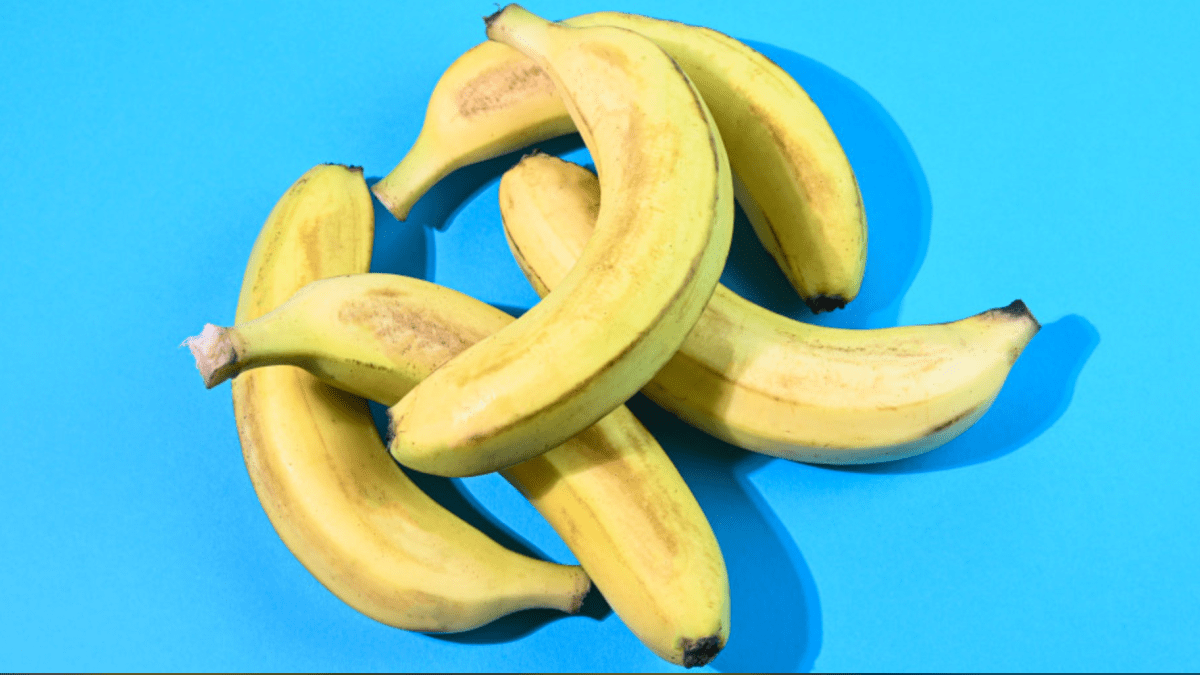
They look like large bananas, but are less sweet than their smaller cousins and higher in fiber, vitamin C and potassium, dietitians say.
Plantains also make the list of fruits with the most magnesium, potassium and vitamin A.
They can be fried, baked, boiled, steamed or popped into an air fryer.
Cherimoya
- 1 cup of cherimoya, 0.25 grams of ALA
This tropical fruit is also known as a custard apple. Sweet, soft and creamy, the taste and texture reportedly inspired Mark Twain to describe it as “the most delicious fruit known to man.”
Guava
- 1 cup of guava, 0.18 grams of ALA
With more vitamin C than an orange and rich in fiber, guava is a healthy and tasty addition to sweet and savory dishes. Its flavor has been compared to that of a strawberry or pear.
Guava also makes the list of fruits with the most protein.
Avocado
- 1 cup of cubed avocado, 0.17 grams of ALA
Avocado toast is one of Rizzo’s favorite breakfasts and she blends it with plain Greek yogurt to add protein, which makes it even more filling.
The fruit is an anti-inflammatory food that’s rich in healthy fat and good for the heart.
Mamey Sapote
- 1 cup of mamey sapote, 0.14 grams of ALA
Fans of this tropical fruit compare its taste to pumpkin pie. It looks a bit like it, too, with its soft, sweet orange flesh.
Mamey sapote can be eaten fresh on its own, or added to fruit salads, desserts, milk shakes, ice cream and chutney, the Florida Department of Agriculture notes.
It’s also one of the fruits with the most vitamin E.
Jackfruit
- 1 cup of jackfruit, 0.13 grams of ALA
Many vegans love this giant fruit as meat substitute in recipes since it has the texture of chicken or pork when it’s unripe and can be cooked with barbecue sauce or other seasonings.
When ripe, this relative of figs is sweet and can be eaten raw or incorporated into a dessert.
Kiwi
- 1 cup of sliced kiwi, 0.07 grams of ALA
Its famously fuzzy skin covers a vividly green and tangy-sweet flesh that’s rich in fiber, making kiwi the No. 1 fruit for treating constipation.
Rizzo recommends eating the fruit with the skin to almost double the fiber and get the most benefits, including vitamins and antioxidants.
Papaya
- 1 cup of papaya, 0.07 grams of ALA
With a subtle hint of sweetness, papaya makes the list of fruits with the least sugar.
It’s rich in vitamins A and C, plus magnesium. It even contains calcium and has been called the “fruit of long life.”
This story first appeared on TODAY.com. More from TODAY: