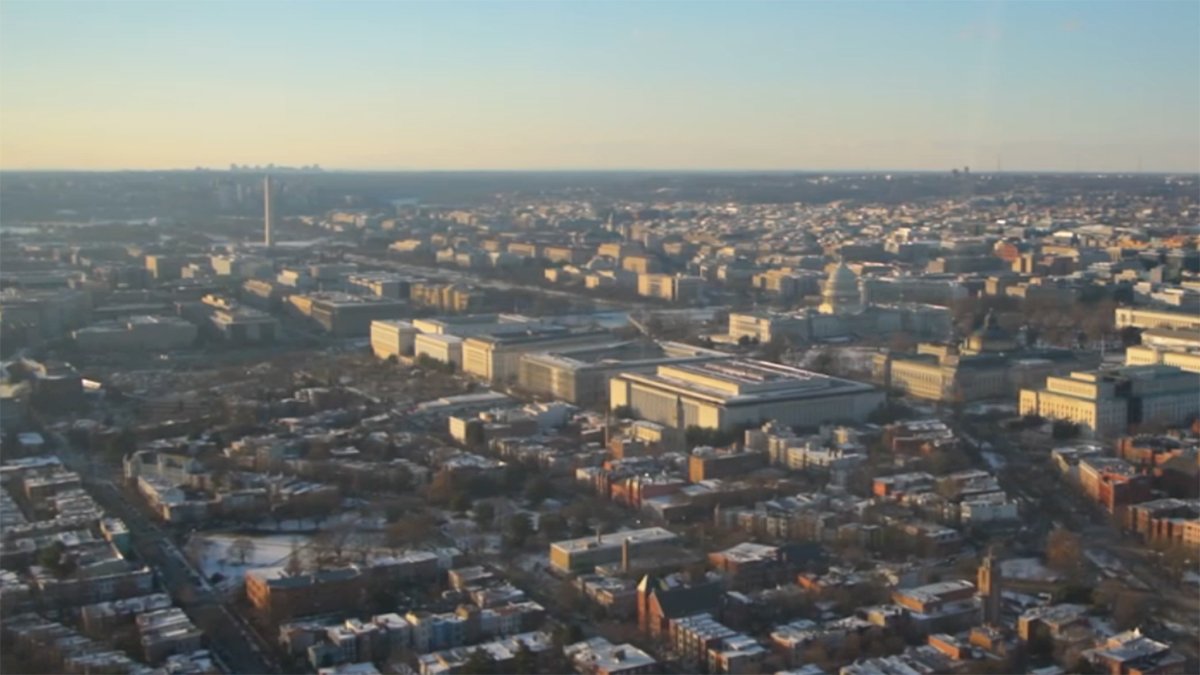
Reports that Iran might be planning to use a dirty bomb against officials in D.C. are sparking concern. The Trump administration said there are no credible threats, and the Homeland Security secretary called Iran’s plans “aspirational.”
President Donald Trump was asked about the reported threat as he traveled in Asia, and he said the administration is taking it seriously.
What is a dirty bomb?
A dirty bomb is smaller and less dangerous than a nuclear bomb. But it includes radioactive material that could be blown for miles and cause health problems.
“The first thing people need to know is that there is very little chance this would happen,” said John Erath, senior policy director at the Center for Arms Control and Non-Proliferation.
A dirty bomb would affect many people, not just the target, he said, which would make it a risky option for Iran.
“It would lead to responses from the U.S., would lead to attacks on Iranian targets by the U.S., and all for a not very good chance of getting what they want to hit,” Erath said.
“They will pay a price the likes of which no country has ever paid before,” Trump said.
What to do after a dirty bomb attack
If a dirty bomb were to explode, general guidance previously posted by the Centers for Disease Control and Prevention says:
- cover your nose and mouth with a cloth
- don’t touch any debris
- get inside as soon as possible
- close all the windows and doors, but there’s no need to seal them off
- take off your contaminated clothes and seal those in a bag
- make sure you shower, both people and pets
- don’t consume food or drink that was exposed to the fallout
Are DC hospitals ready for a crisis?
News4 asked Dr. Shane Kappler, emergency medicine and critical care physician at MedStar Washington Hospital Center about D.C.’s readiness for a crisis.
“In a nightmare scenario that we hope never occurs, I do believe that our hospitals and our authorities are prepared to respond,” he said.
Kappler said doctors previously practiced doing decontamination in outdoor tents.
News4 asked Kappler if parents should pick kids up from school in the event of a dirty bomb attack. He said not necessarily.
“The best thing to do is to not be out and about, if you’re not near it, right? Because there is more risk to being out and about than there is by staying sheltered in place, including in schools,” he said.
You would not see, smell, feel or taste radiation exposure and might not immediately know you were exposed. Later symptoms can include nausea, vomiting, diarrhea and skin swelling.
Medical experts say much of the response would depend on what type of radioactive material were in the air. In any case, public safety officials would communicate next steps to help keep people safe.
What role would weather play?
Prevailing winds in D.C. typically blow from west to east, Storm Team4’s Amelia Draper said. People east of a blast site would typically see more exposure to radioactive particles.
Emergency management experts say it’s a good idea to keep supplies in your car and your home, in case you were stuck for a long time. These items include water, blankets and nonperishable food. They say it’s a good practice for being ready for any type of emergency, not just a bomb scenario.