Casting a decisive blow against President Donald Trump’s hopes of exercising federal control over the midterm elections, the Supreme Court on Monday prevented a U.S. Postal Service regulation concerning mail-in ballots from going into effect.
The court in a brief order rejected an emergency application filed by the Trump administration seeking to block a lower court ruling that said the regulation was likely unlawful. The court appeared to be divided 7-2 with two conservative justices, Clarence Thomas and Samuel Alito, dissenting.
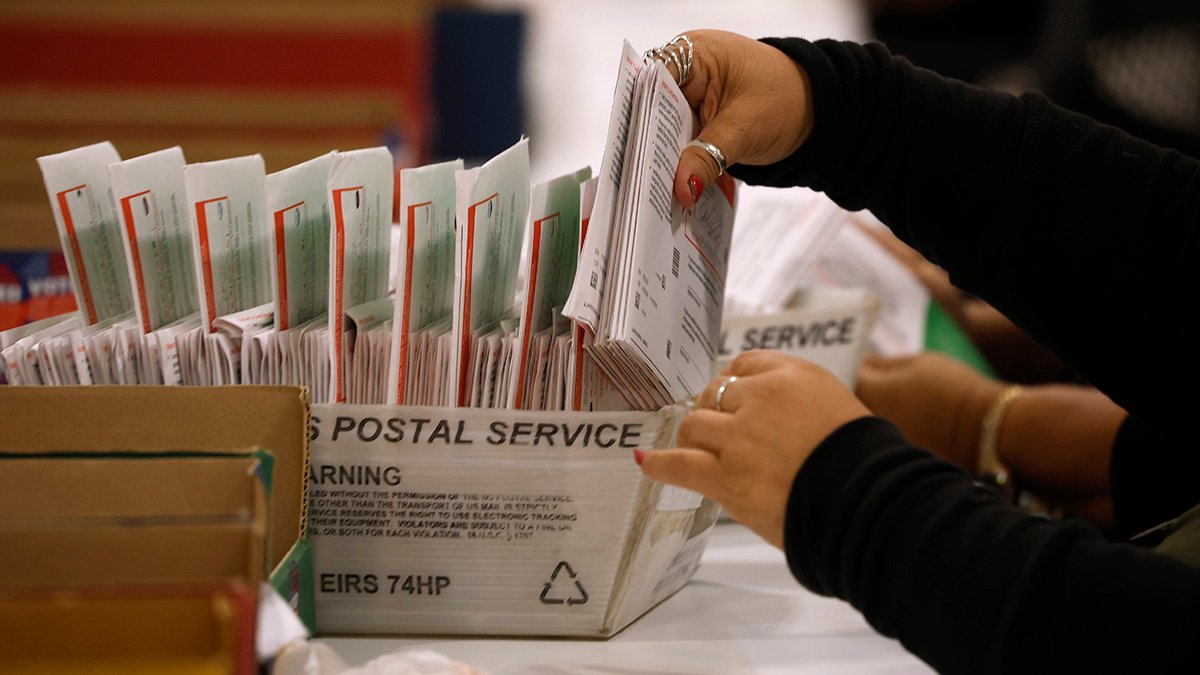
The measure would have imposed requirements on states for sending out mail-in ballots to voters. Typically, the Postal Service has no such role.
Implementing these significant changes just weeks before the election would likely have caused major problems and advocates feared it would make it harder for millions of Americans to cast their ballots.
Time was already running out for the rule to be implemented, with North Carolina sending out ballots on Sept. 4 and other states soon to follow. There were also questions about whether the Postal Service even had the technical means to put it into effect.
Trump frequently rails against the widespread use of mail-in ballots as part of his broader complaints, offered without evidence, that the election system is rife with fraud.
Challengers, including various states led by California and nonprofit advocacy groups headed by the League of Women Voters, say the rule would cause unnecessary disruption ahead of the election and prevent people from voting.
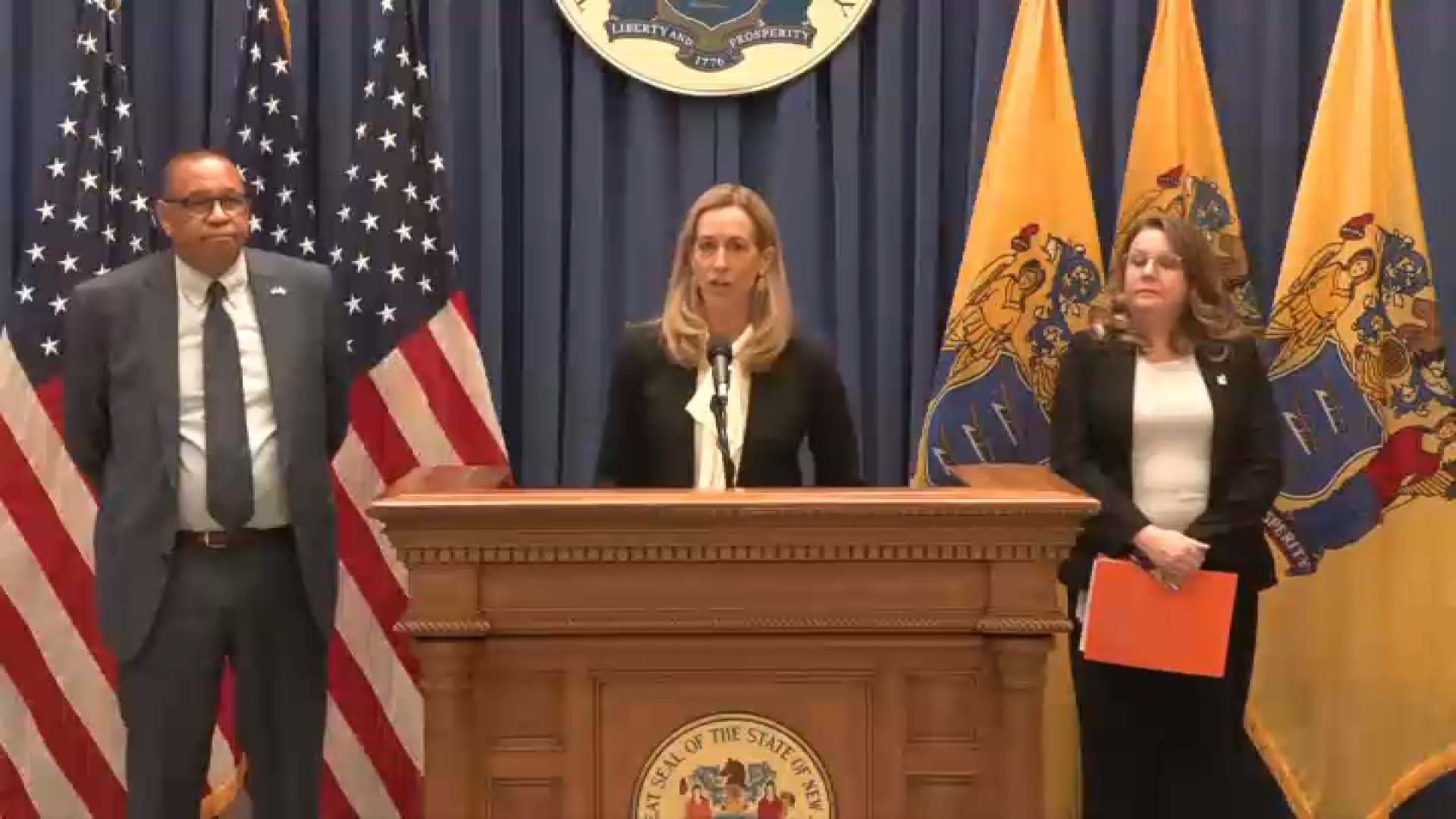
“Today’s decision is a victory for our democracy and a powerful affirmation of the rule of law,” California Attorney General Rob Bonta, said in a statement. “The stakes in this litigation could not have been higher.”
In a separate statement, Celina Stewart, CEO of the League of Women Voters, called the regulation “an extraordinary attempt to interfere with voting in all 50 states.”
The White House did not immediately respond to a request for comment Monday night.
Trump frequently rails against the widespread use of mail-in ballots as part of his broader complaints, offered without evidence, that the election system is rife with fraud.
Under the new rule, states would have to submit a list of eligible voters to the Postal Service, which would then verify that ballots are being sent to people on that list before delivering them. States would also have to comply with directions about envelope design.
Trump’s initial order envisioned the federal government creating and sending the USPS lists of citizens and forcing the USPS to only send ballots to those individuals, but the final USPS proposal did not include that provision.
In a dissenting opinion, Alito said the federal government had the better of the argument. Concerns raised by states about the difficulties of implementing the rule gave him pause, he added, “but it is not enough to convince me.”
Alito also complained that courts, including the Supreme Court itself, were partly to blame for the case’s being decided so close to the election, saying they had taken too long to decide it.
Justice Brett Kavanaugh, another member of the court’s conservative majority, wrote a brief concurring opinion saying there is a “fair prospect” the Postal Service has the authority to issue the rule but added it had to be blocked because it was issued so close to the election.
California Congresswoman Norma Torres reacted to a whistleblower report that the Trump administration is moving forward with plans to use the U.S. Postal Service to limit mail voting, despite ongoing litigation challenging the president’s executive order. “We pay you to deliver the mail. That is it. We don’t pay you to process the Republican agenda or to do Donald Trump’s bidding.”
The Postal Service issued the regulation at the direction of the White House, with Trump issuing an executive order on the issue in March.
Massachusetts-based U.S. District Judge Indira Talwani blocked the regulation, saying the Postal Service had no authority to issue it.
She warned of the risk of “significant disenfranchisement” if the regulation was in effect, while noting that the Trump administration had failed to offer any evidence it was required to combat election fraud.
Various states have said they would not be able to comply with the regulation even if it is in effect, although some have indicated they can. A whistleblower complaint last week said the Postal Service system for checking ballots is flawed and could cause significant disruptions if implemented.
Talwani said that while litigation continues states can voluntarily comply with the Postal Service regulation but have no obligation to do so. She also said that the Postal Service cannot refuse to send ballots.
The federal government has downplayed the impact of the regulation, saying in court papers it is a “modest design and information requirements for ballot-mail envelopes.” When states send out ballots, the Postal Service will check to see that the envelopes are in compliance and if they are not, they will be returned to election officials, Trump administration lawyers said.
Trump issued his executive order after he failed to persuade the Republican-controlled Congress to pass his SAVE America Act legislation that would impose new voting restrictions nationwide, including proof of citizenship to register to vote and voter ID.
Talwani had earlier blocked key provisions of the executive order itself, but in an Aug. 24 ruling the Supreme Court ruled she had acted prematurely.
The proposal would amend the National Voter Registration Act of 1993 to require specific documents showing proof of U.S citizenship for a person to register to vote in federal elections.