For more than a decade, Los Angeles’ premier sports teams — the Lakers and the Dodgers — have relied on big-ticket TV rights deals to boost their operations and player payrolls.
But major changes are looming.
The prospective new Lakers owners — investor Joshua Kushner and former Walt Disney Co. chief executive Bob Iger — will inherit an uncertain long-term television picture for the team when they assume control of the storied franchise.
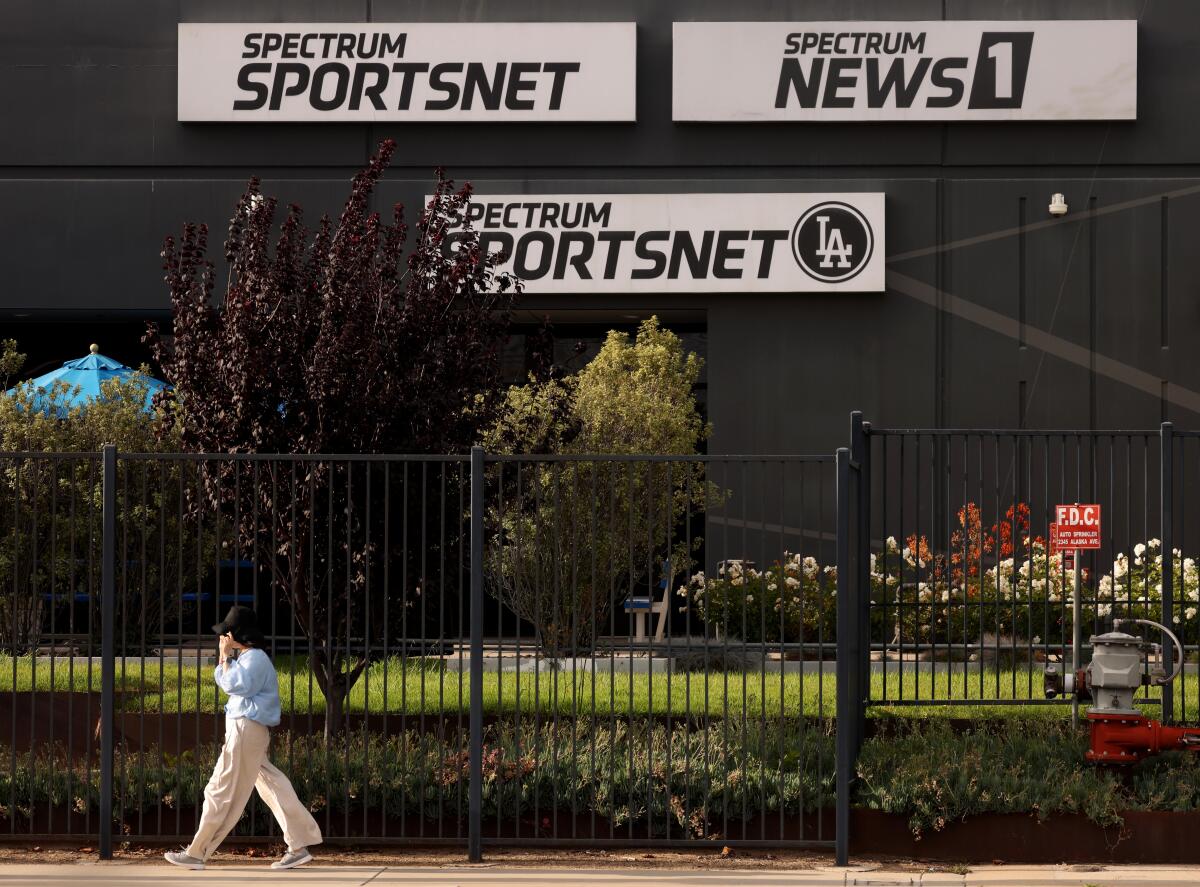
Charter Communications’ Spectrum service broadcasts Lakers games on its SportsNet cable channel. The Lakers are set this fall to enter the 15th year of their long-term, $3-billion agreement with the cable company to bring regular season action to local viewers.
But Charter executives have discussed exiting that relationship, which guarantees the team about $200 million a year in revenue, according to people familiar with the company’s plans who were not authorized to comment.
Charter months ago retained investment bankers to find a buyer for El Segundo-based Spectrum SportsNet, which the company runs in tandem with the Dodgers-owned channel, SportsNet LA.
Charter’s interest in jettisoning the channel as fewer consumers watch cable TV has sparked fears within the Lakers organization about the stability of the critical revenue stream, according to a person familiar with the situation who was not authorized to speak publicly.
The Lakers and Kushner’s investment firm, Thrive Capital, declined to comment.
Stamford, Conn.-based Charter on Thursday finalized its $34.5-billion purchase of Cox Communications, making Spectrum the dominant internet and television provider in Southern California, covering Santa Barbara to the Mexican border.
In response to questions from The Times, Charter Chief Executive Chris Winfrey acknowledged the turmoil surrounding sports channels.
“The regional sports network business is significantly challenged,” Winfrey said during a Thursday conference call with reporters to highlight the Cox merger. “Most of the regional sports networks have gone bankrupt [but] Spectrum has so far remained committed.”
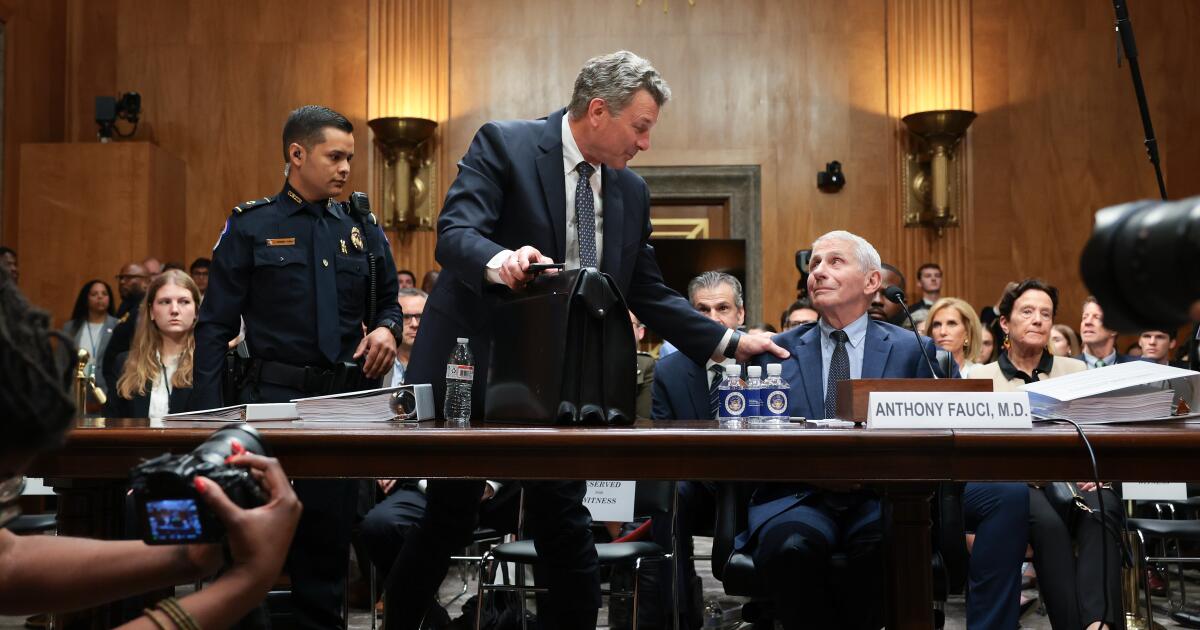
The company is seeking a new arrangement, but Winfrey declined to discuss ongoing conversations with the Lakers or the team’s potential proprietors after Lakers owner Mark Walter, who is facing a federal criminal investigation, abruptly decided to sell the team in a deal valued at $12.5 billion. A spokesperson for Walter and his holding company has stated that they are cooperating with authorities and expect the matter to be resolved “favorably.”
Spectrum, Winfrey said, “would love to find solutions” to make its relationship with the Dodgers and Lakers more acceptable. Over the years, the company has bled hundreds of millions of dollars providing the L.A. sports channels.
“We believe in the local teams, the Lakers and the Dodgers,” Winfrey said. “It’s very important to us. It’s very important to our customers — but that doesn’t mean that it’s a great economic agreement with us.”
The Lakers’ TV contract runs through 2032. The Dodgers’ arrangement with Spectrum extends to 2038, but clouds have been gathering for years as consumers find new ways to watch sports.
Millions of consumers over the last decade have migrated from pricey packages offered by Spectrum and other cable companies to lower-cost streaming options. Spiraling monthly cable bills — largely driven by increases in sports rights fees — have made cable TV less attractive to ordinary subscribers.

A pedestrian walks past Spectrum SportsNet in El Segundo on Aug. 13.
(Genaro Molina / Los Angeles Times)
Cable TV audiences are shrinking and major sports leagues, including the NBA, recognize the younger viewers they desperately want to reach primarily get their entertainment on apps. Broken TV economics have prompted the NBA to begin making plans to build a centralized streaming platform for fans to watch basketball.
“It’s mostly the result of cord-cutting and just fewer homes receiving these networks,” said Scott Robson, a principal analyst with S&P Global Market Intelligence. “The league [would like] to create a centralized streaming hub and bring all 29 domestic clubs under one umbrella, whether that be through YouTube or some other streaming partner.”
But such plans could mean sharing revenue among the various teams, which could mean less money for large-market clubs such as the Lakers and world-champion New York Knicks, which benefit from their lucrative local TV contracts.
Earlier this year, Main Street Sports Group alerted the NBA, National Hockey League and Major League Baseball that it would cease operations, leaving teams scrambling to cobble together TV coverage for their games.
The group operated FanDuel-branded channels (previously Bally Sports) following the 2023 Chapter 11 bankruptcy reorganization of Diamond Sports Group. Those channels have long featured Clippers and Kings games.
Pressure was lifted off the NBA when the league struck its latest round of national TV contracts — $77 billion worth of deals that, beginning last fall, spread basketball games across ESPN, ABC, Amazon Prime Video, NBC and NBCUniversal’s Peacock streaming service.
The current NBA contracts “provided more money than the previous deal, and as a result, the teams rely less on the local rights payments than they have in the past,” Robson said.
Headwinds for the local sports channels, including those operated by Spectrum, pose the latest rocky chapter for Los Angeles sports fans.
It’s a reversal of fortune from a quarter-century ago, when media giants, including Rupert Murdoch’s Fox, recognized there were huge profits to be made by launching regional sports networks.
Murdoch even owned the Dodgers for a stretch to corner the market on what was then a Wild West shoot-out among TV programmers to launch cable channels.
Charter’s predecessor, Time Warner Cable, wanted in on the action. In 2011, former Time Warner Cable executives hammered out the 20-year agreement with the Lakers, then owned by the late Jerry Buss. Two years later, Time Warner doled out an even richer $8.3-billion deal to the Dodgers, which at the time were under new ownership — Walter and his partners with Guggenheim Baseball Management.
The fees were so steep that other pay-TV providers, including Cox, Dish Network and, for many years, DirecTV, refused to carry the Dodgers channel — leading to one of the longest blackouts in sports TV.
Charter took over the two channels in 2016, when the company absorbed Time Warner Cable. Winfrey, on Thursday, made it clear he was not a fan of those deals, calling them “something that we inherited … not something we did on our own.”
Over the years, the company has lost hundreds of millions of dollars. Last year, Spectrum began offering a streaming-only option to expand the audience for Dodgers’ games. Spectrum subscribers can also watch Lakers’ games on a streaming app.
Last fall, Charter retained boutique bank the Raine Group to find a buyer for the Lakers channel. It’s not clear whether Charter would like to shed its deal with the Dodgers organization, which owns SportsNet LA.
Iger is well familiar with the fragmented sports landscape and economics after years overseeing ESPN and ABC.
Spectrum is seeking “innovative ways … to find a better long-term solution,” Winfrey said. “We’re trying to be constructive and respectful on all fronts.”