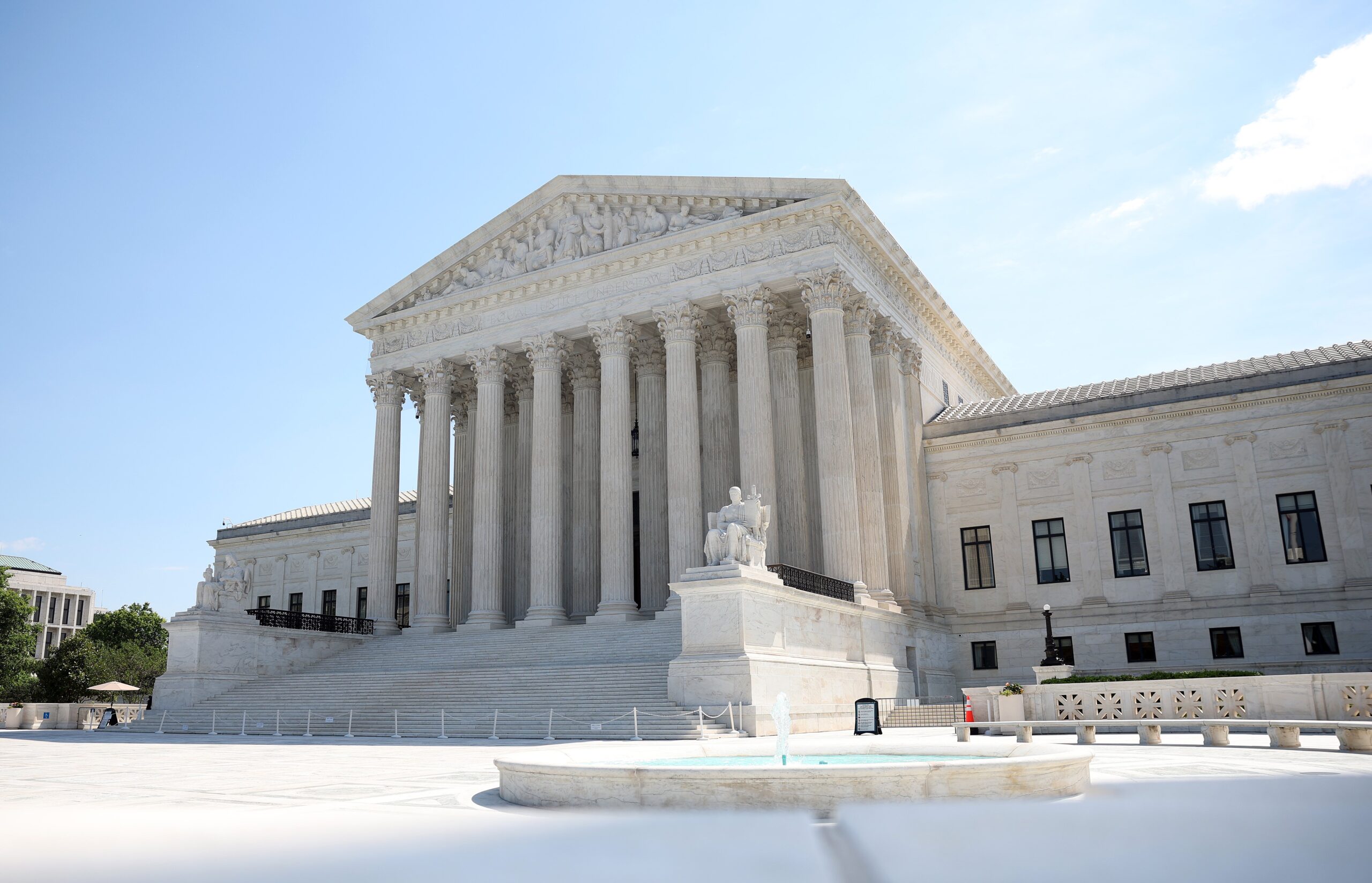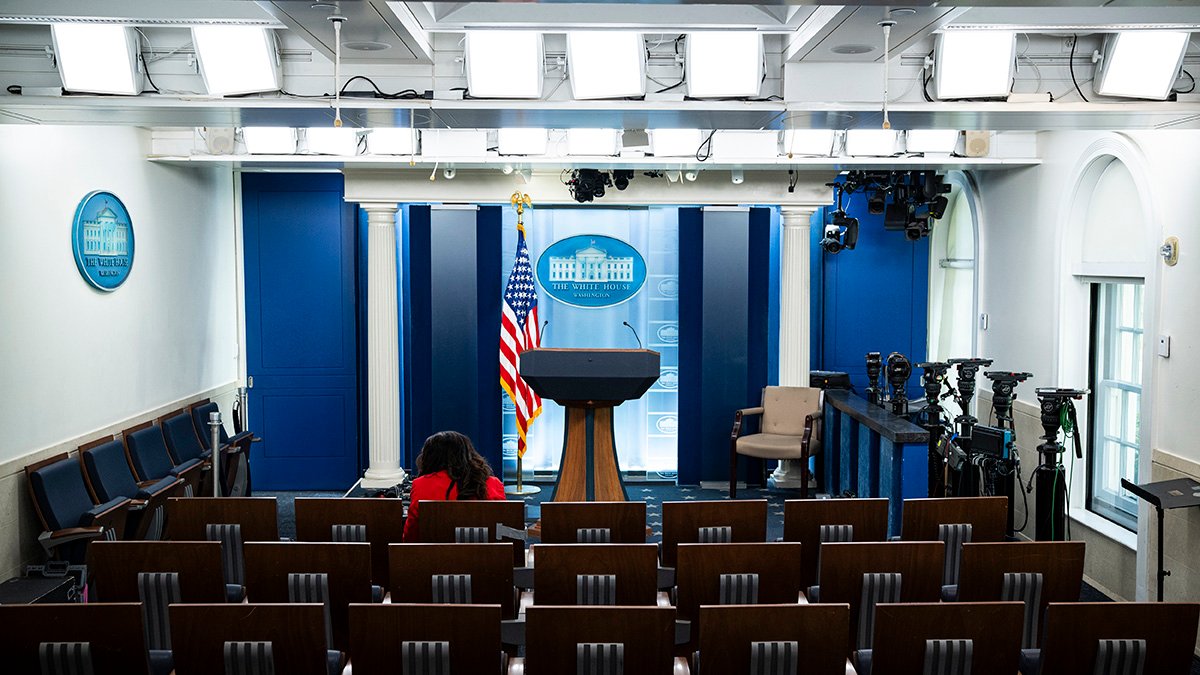
The trio of media outlets that President Donald Trump abruptly banned from accessing the White House were in court Wednesday to argue their expulsion was unconstitutional and should be blocked immediately.
U.S. District Judge Timothy Kelly did not immediately rule on the request after hearing arguments from an attorney for CNN, Politico and MS NOW and a lawyer for the Justice Department.
During the roughly 45-minute-long hearing, Kelly, a Trump appointee, appeared particularly focused on the “due process” — or lack thereof — that the journalists whose hard passes were revoked received.
He said due process requirements laid out by the judges in earlier cases involving press access, including the appeals court, were not followed in this case. “The government says those cases were wrongly decided,” Kelly said, but he has a “duty” to apply them in this case.
Lawyers for the media outlets said in a court filing Monday ahead of the hearing that the president’s “ban could not be a more direct assault on the First Amendment nor a more blatant violation of our most fundamental constitutional principles.”
“The ban is unconstitutional and should be immediately restrained,” they contended, citing legal precedent in the District of Columbia and U.S. Supreme Court.
Ted Boutrous, an attorney for the outlets, told Kelly he should look past the administration’s new arguments that the ban was motivated by national security concerns, and focus on what Trump has said about his decision.
“He is our lead witness here,” Boutrous said, pointing to Trump’s comments over the past several days that the outlets were too “negative.”
“He keeps proving our point,” Boutrous said.
Late Tuesday, the Justice Department defended the ban in a court filing, arguing that Trump had decided the outlets “failed to maintain basic minimum ‘standards of professionalism and decorum expected of those given access to the White House Complex, including’ by ‘publishing sensitive or classified information.’”
The outlets’ “access to the White House is a privilege — not a right,” DOJ attorney Michael Velchik told the judge at the hearing.
He pointed to letters the White House Press Office sent to the three outlets alleging their coverage involved “trafficking in verifiable falsehoods about national security and other issues, and publishing sensitive or classified information.” The letters also were filed in court.
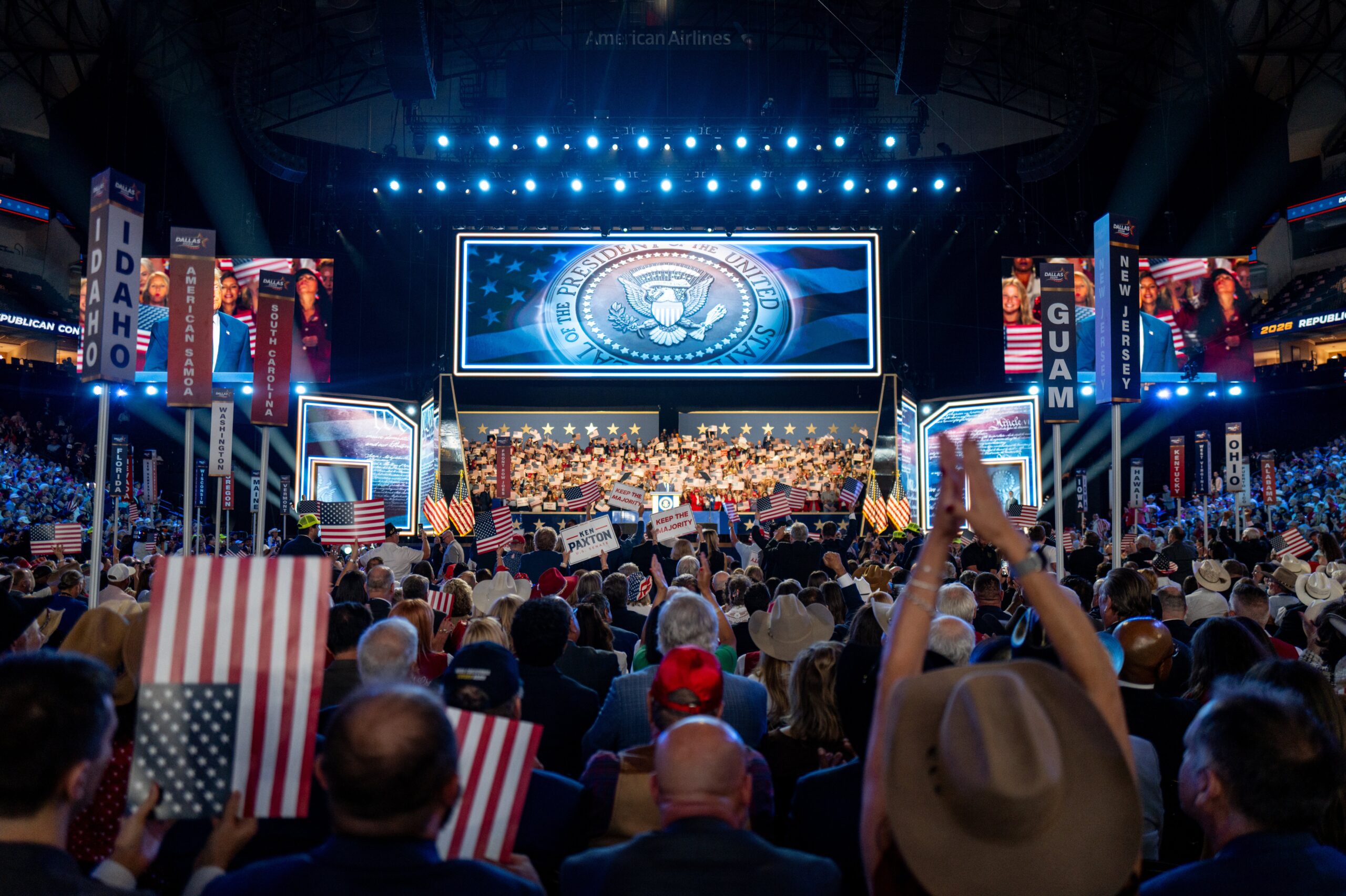
The articles cited in the letters included reporting on the construction of the White House ballroom and its related military security complex, the status of munitions supplies being used in the Iran war, an alleged FBI leak investigation involving a journalist, and sanctions on Russia. Also cited was a Politico article about bad “vibes” at Republicans’ midterm convention.
In the letters, the administration gave the organizations a deadline of 5 p.m. Friday to “contest this initial decision” to bar them from the White House or the decision “will be final,” the filing said.
Boutrous told the judge the letters were an attempt to manufacture rationale for the policy. Trump’s directive shows the result has been prejudged, he said.
“All of a sudden this is a national security issue” — a topic Trump didn’t mention at all when he announced and spoke about the ban on Friday, Boutrous added.
He urged the judge to let his clients get back to work. “These are urgent matters. We are at war,” the lawyer said.
Boutrous added that of the four CNN stories the White House complained about in its unsigned letter, only one was by a reporter who covers the building and has a hard pass that was renewed months after the story published.
Kelly questioned the government’s arguments. “I don’t know how a letter that they got after their pass was revoked,” the judge said, “could provide them with the kind of standards they would have to conform their conduct to.”
He did not rule from the bench but said he’d take action “as soon as I can.”
Ahead of the court hearing, more than four dozen media outlets and groups filed a friend-of-the-court brief urging the judge to side with the banned outlets. NBCUniversal Media, the parent company of NBC News, was among the groups that took part in the brief.
The administration’s reason for the ban, the filing said, was “transparently viewpoint discriminatory.”
“The current ban — and any future bans — are intended to impair the critical work of news organizations covering the presidency if this Court does not immediately intervene,” the group wrote in the filing.
Kelly was nominated to the bench by Trump in his first term but ruled against him in a similar case back in 2018, when the White House pulled press credentials from then-CNN reporter Jim Acosta.
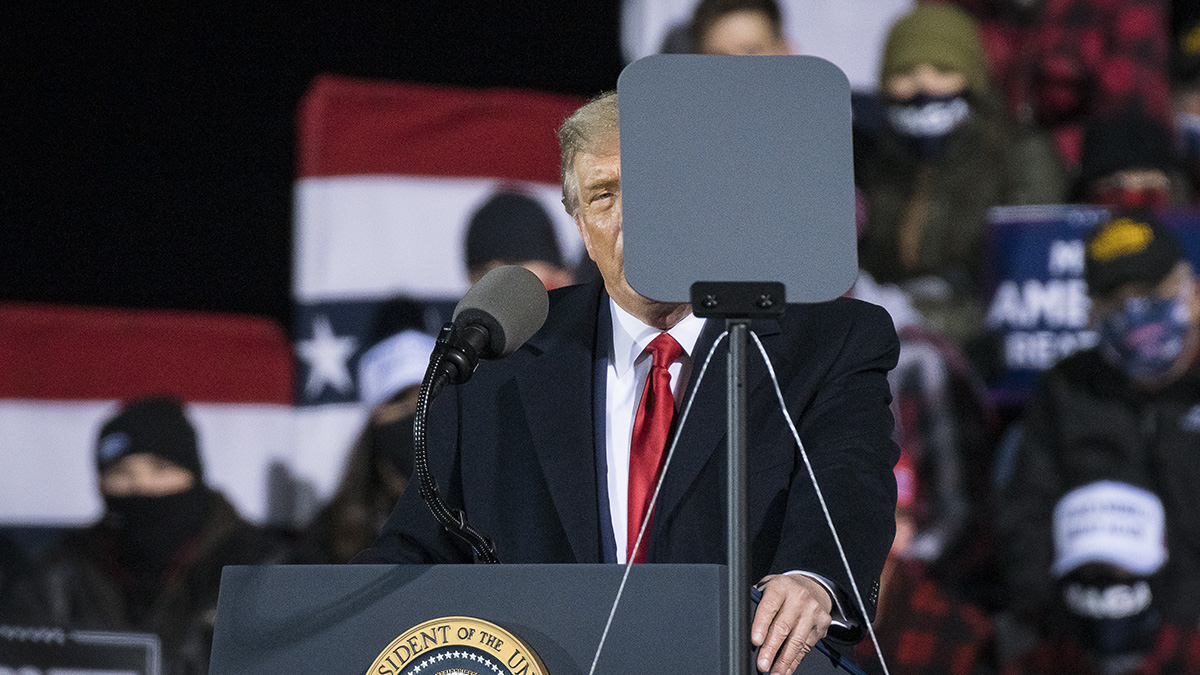
In a post on Truth Social on Monday, Trump said Kelly is a “great judge” for the media outlets, and suggested he believes he’ll rule against his administration. “[A]s usual, we’ll go for appeal,” he wrote, “because Fake News people and publications that only write negatively” should not be “allowed access to the most important Office anywhere in the World.”
Trump also criticized the judge as “totally disloyal” in a separate post late Tuesday.
The three news organizations have pointed to similar remarks by Trump as proof they’re victims of impermissible “viewpoint discrimination.”
Trump announced the outlets’ ban from the White House in a Truth Social post Friday and said it was “a result of their constant ‘reporting’ FAKE NEWS!”
“Other Fake News Media Outlets to follow,” he added.
Responding to questions from a reporter in the Oval Office a short time later, Trump referred to it as “the ban on the free press.” “Very simple ban. I don’t want them in my office. I don’t want them here,” he said.
He said the policy was in response to “cumulative stories over the last few years.”
“They purposely write negative news. And they do that because they want to try and diminish the Republicans and a Republican administration,” he said. “If they could straighten themselves out, I’d love it,” he added.
The outlets’ suit said Trump’s “words leave no doubt that banning Plaintiffs from the White House is retaliation for their protected newsgathering and speech — retaliation that is intended to cow them into changing their reporting and threaten other journalists lest they suffer the same fate. That is a paradigmatic First Amendment violation” and “flatly unconstitutional.”
The ban has already impacted news coverage, the suit says.
CNN is a member of the five-network rotation “for the primary television pool (also called the network pool) and absorbs 20% of the costs associated with such coverage,” the suit says.
The pool covers “events and locations where there is limited physical space for journalists,” their court papers say, and for “most of what the President does each day, the pool is the only source of independent reporting, video, and photographs available to the press and the public.”
“When CNN is the designated network pooler, CNN’s crew supplies the video and audio of the events involving the President and other White House officials to the other four networks and, through them and through pool distribution arrangements, to news organizations and the public. Among the recipients of the pool material are the more than 1,000 local affiliate television stations across the United States that receive the pool feed through CNN.”
NBC, ABC, CBS and Fox News are the other members of the rotation.
MS NOW is a rotating member of the secondary pool, while Politico is a member of the rotating print pool.
CNN had been scheduled to be the pool camera Monday, and the other networks in the TV network pool jointly declined to step in and replace its coverage. In video that day of a ribbon-cutting ceremony at the White House, Trump’s remarks were inaudible in the absence of pool microphones.
His remarks at the United Nations on Tuesday and alongside New York City Mayor Zohran Mamdani at a press conference Monday were picked up by U.N. cameras and local news outlets, respectively.
The president has increasingly used national security as a rationale for various projects and had some success doing so with his ballroom project at the White House. He also used it last week as an argument to build an arch near Arlington Cemetery.
Trump defended the bans in a social media statement Monday after the outlets filed suit. That’s when he first made his claim that national security concerns about “fake news” drove the bans.
“The White House is not instituting an assault on the Free Press, something which I cherish. It is instituting an assault on the FAKE NEWS, something that has grown like Cancer in our beloved United States of America,” he wrote. “It is a threat to our National Security, and must be stopped, NOW!”