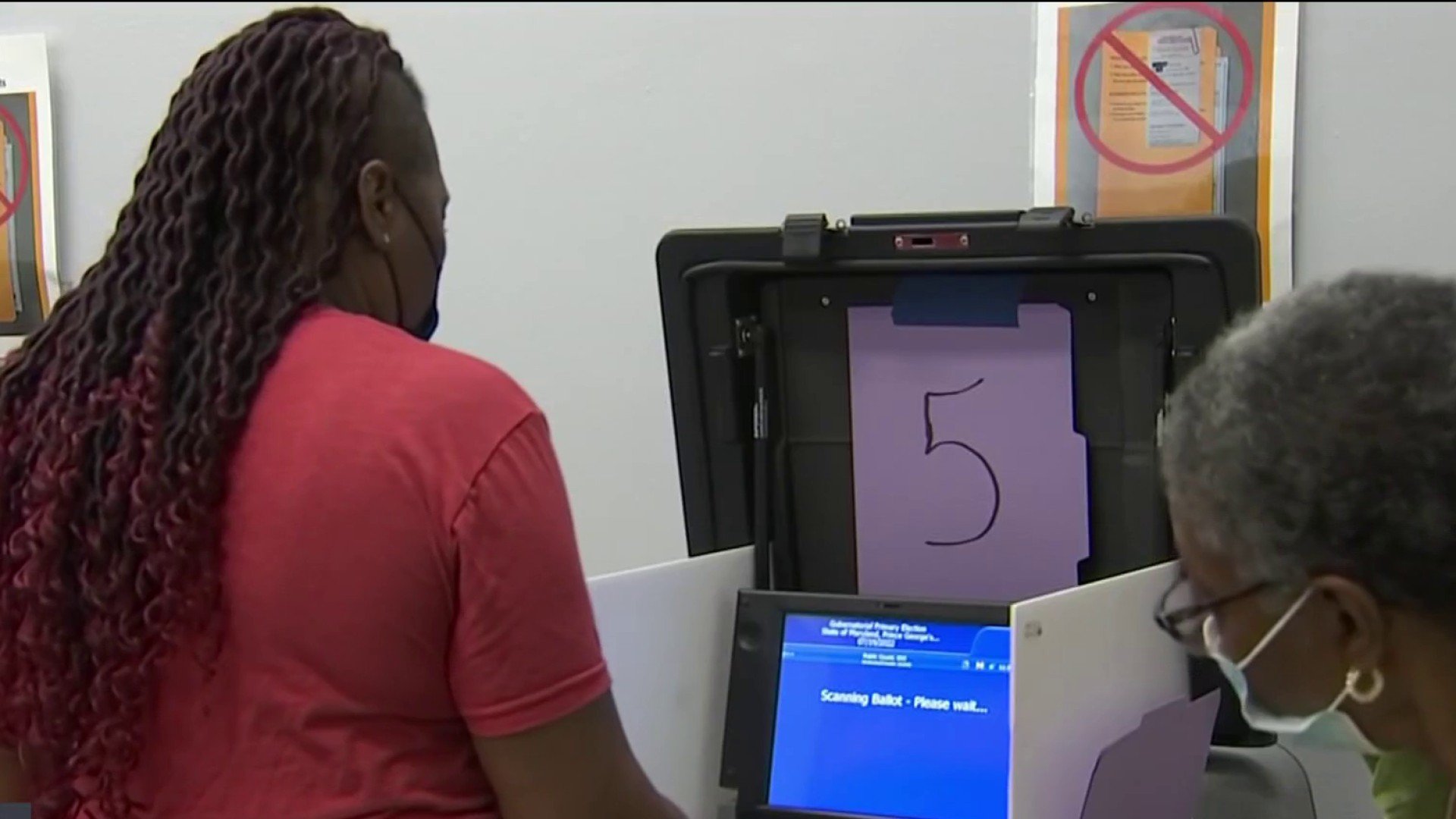
Ninety-three percent of Black women supported Democrats in the midterm election, according to NBC News exit polling, contributing to what political experts called a “blue wave.”
“Considering how Black women vote, even when it doesn’t necessarily advantage them; I think it’s a lesson for all of us, because this moment was really about who we wanted to be as a country, and what we were willing to do to save our country and save our democracy,” said Dr. Niambi Carter, public policy professor at the University of Maryland.
While those statistics are similar to the 2024 presidential election, several factors motivated the voting bloc to show up to the polls, according to Carter.
“The price of food, the price of gas,” Carter said. “The economy is absolutely there, but there are these other societal issues like healthcare and social safety net.”
Data from the Bureau of Labor Statistics showed that these challenges take a toll on Black women in particular.
At least 300,000 Black women left the workforce between February and April of last year, and at least 95,000 lost their jobs with the federal government.
Black women’s unemployment rate in September of last year was 7.5%, well above the unemployment rate nationally.
“Black women typically show up anyway, but absolutely the layoffs and the firings have had a devastating effect on Black women,” Carter said.
In addition to Black women showing up in large numbers to cast their ballots, several Black women who were on the ballot won their races and made history.
Keisha Lance Bottoms, a Democrat from Georgia, became the first Black woman governor in the nation’s history, and Stacey Plaskett was the first Black woman elected governor of a U.S. jurisdiction.
“All of the hard work, all of the organizing, the mobilizing, the galvanizing of Black communities coming to pass, coming to be what we always imagined and what our foremothers had always hoped and worked for,” said Dr. Ayana Best, professor at Howard University.
Beginning in the new year, for the first time there will be three Black women serving as U.S. senators at the same time.
In addition to the governor, Black women won several statewide offices in Georgia from secretary of state, attorney general to the state school superintendent.
“Now that we are going to have descriptive representation en masse in this way, especially in the rural South, I think it is going to be very, very pivotal and important, but now we can see substantive change. Now we are going to see not only people in office who look like us but who share our interests,” Best said.